Don’t tax the buildings Britain needs
 October 22, 2026


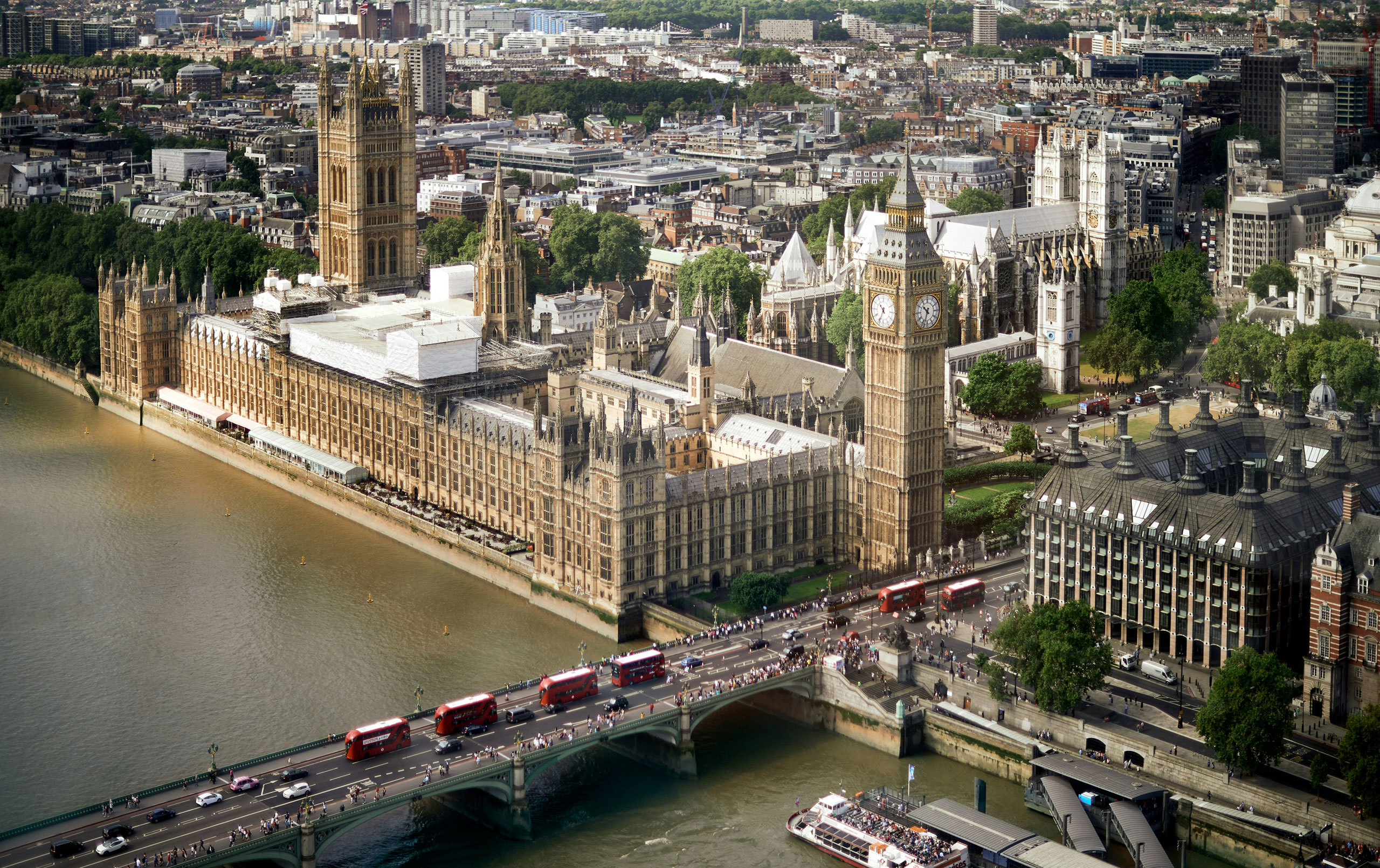
Good growth in every postcode. It’s a great line, and one I know the office sector would happily sign up to. So forgive me for being slightly baffled by reports that the chancellor is eyeing a £1bn business rates raid on commercial buildings valued at more than £500,000.
Such a move would impact around 9,000 properties across London and the South East, with the City and Canary Wharf hit hardest.
If this plan is put forward in next week’s Budget it would deliver the opposite of growth, making viability in London, which already sits on a knife edge, almost impossible.
London is crying out for good-quality office space. Vacancy in the City and West End is below 1%, grade-A buildings took a record 93% of Central London leasing last year and the shortage of best-in-class space is expected to run into the next decade. Occupiers are preletting years in advance just to be sure they have somewhere to go.
Demand is not the problem. Delivery is. We have world-leading developers, designers and contractors ready to build but they are battling soaring finance and construction costs. Turner & Townsend estimates the cost of developing a new office building in London has risen by up to 40% since 2020. Just one tall building will complete in the capital this year – the slowest year since 2015 – and almost half of Central London’s 2026-30 pipeline has yet to break ground.
Larger properties are already paying a higher rates multiplier, introduced in April to fund relief for the high street, and a revaluation has pushed many office bills up on top of that. Pile another cost on to development, delivery and operation and some of those calculations simply stop working. That means fewer cranes, fewer construction jobs and less of the best-in-class workspace that London is famous for.
Offices are not a luxury to be taxed whenever the Treasury needs a quick billion. They are critical national infrastructure. They are where businesses innovate, grow and deliver for UK plc. They bring people into our towns and cities and make them the economic and social hubs they should be.
The BCO’s own research has long shown that people cost businesses many times more than their premises, and that a great workplace makes those people measurably more productive. Tax the workplace and you tax productivity.
It is important to note that this isn’t a London versus the regions thing. The companies footing this bill are national and international employers whose investment supports jobs right across the country. London competes for their headquarters with New York, Singapore and Dubai, not with Manchester. Make it dearer to be here and that investment doesn’t move north. It moves abroad.
But we cannot simply shout “no” and dangle the viability issue as our defence against a tax such as this. If we want government to treat offices as critical infrastructure, we have to prove it, with hard evidence on productivity, regeneration and the jobs and places our buildings create.
At the BCO our mission is to do this and to provide the research and guidance that enables our members to create and operate places where people, businesses and the local community thrives.
And what I’ve learnt from our members in these first 18 months as CEO is that they are just as committed to this mission.
What the London – and UK – office development market needs now is help and support to create the workspaces that will enable our country to deliver, not yet another cost making development viability even harder to achieve.



 By BCO Media