Amenity v Feasibility: How to get occupiers to commit in the regions
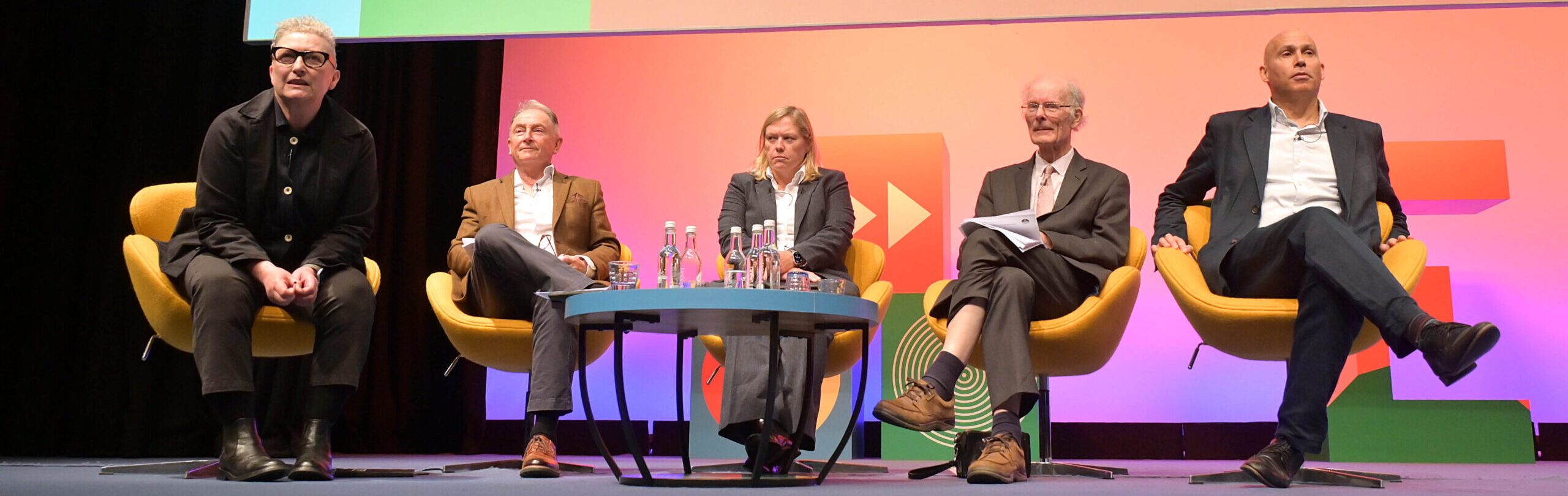
Developers and designers at this year's BCO Conference in Edinburgh shared their experiences of delivery amenity while viability remains tough
 September 01, 2026


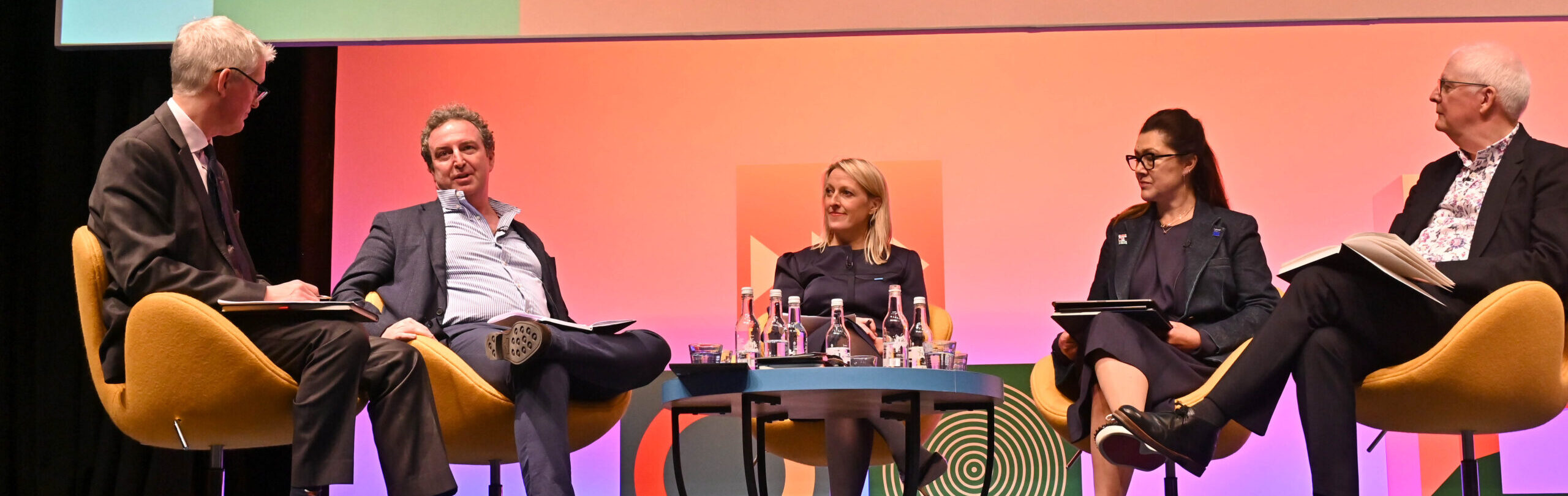
BCO Conference 2026 insights: With tenant experience driving occupier demand more than ever , the right facilities can make or break a building’s leasing success.
But what happens when those added extras aren’t financially viable? Can today’s office buildings command competitive rents without offering everything, including the kitchen sink?
There is little to no budget for “bells and whistles” in the regions where prime rents hover at around £50 per sq ft, said Make Architects founder Ken Shuttleworth.
“Rental values in London are four times what they are in the regions,” said Shuttleworth. “Outside the capital you have to cut your cloth and keep things simple. It’s great to have terraces in London, but further afield they add cost without necessarily adding value.”
A question of viability
Paul Curran, chief executive of Edinburgh-based Qmile Group, said the the list of challenges for regional developers around commercial viability is extensive.
“We are dealing with build costs, inflation on build costs, significant interest rates increases, issues around holding costs, prolonged planning processes, funding difficulties, valuations on buildings making them unviable despite rents increasing,” he said. “And, of course, the additional challenge of getting occupiers to commit to space.”
While rents may be higher, viability remains a much of an issue in the capital, added Helen Hare, director of projects at GPE.
“Wouldn’t it be fantastic if London’s higher rents offset increased construction costs?” she said. “Unfortunately, it is not as simple as that. Everything is relative and we have much higher land values in London and around a 50% cost increase.”
That said, when it comes to attracting occupiers, many of London’s office buildings – particularly ground-up developments – do have an elevated amenity offer on their side.
But while occupiers are irrefutably on the hunt for workspaces they can leverage as branding statements and recruitment tools, the scaled back approach to office design required for viability in the regions is not necessarily a bad thing.
Simple isn’t boring
“Everyone looks to London when it comes to office development,” said Shuttleworth, “but some of it has got a bit over the top. It’s become about who can provide the most stuff. When things are pared back, people use the environment around them; the local coffee shops and bakeries, the sandwich shop on the corner. Otherwise, you can quickly create a fortress that no one ever leaves.”
And simple buildings don’t equate to boring ones. Brand identity is a powerful tool, said Shuttleworth, adding that all of Make’s commercial office designs in the regions are fully let, not because of a raft of amenities, but because people like the feel of the building itself.
“The buildings we’ve done outside London are simple, super-efficient and have very strong identities,” he said. “One has a garden outside, one has cross-bracing, one has distinctive brickwork. The tenants have come because of these details; people want a building that reflects the values of their company.”
And there are ways of achieving this on a lower budget, added Shuttleworth, including working directly with suppliers.
“The quantity surveyor will tell you, straight up, you can’t afford one-off details,” he quipped to a ripple of laughter. “You sometimes have to prove them wrong by getting hold of the contractors and suppliers yourself.”
While the office amenity clearly race isn’t over, it does look to be entering a new phase where thoughtful design, strong identity and commercial realism carry more weight than a rooftop yoga studio.
And for regional developers, it seems that success may be less about trying to match the capital’s ever-expanding offer and more about proving that a well-designed building doesn’t need every bell and whistle to stand out.


 By BCO Media