What flex taught us about operational excellence
Flexibility needs to be at the heart of workspaces by default
 September 21, 2026


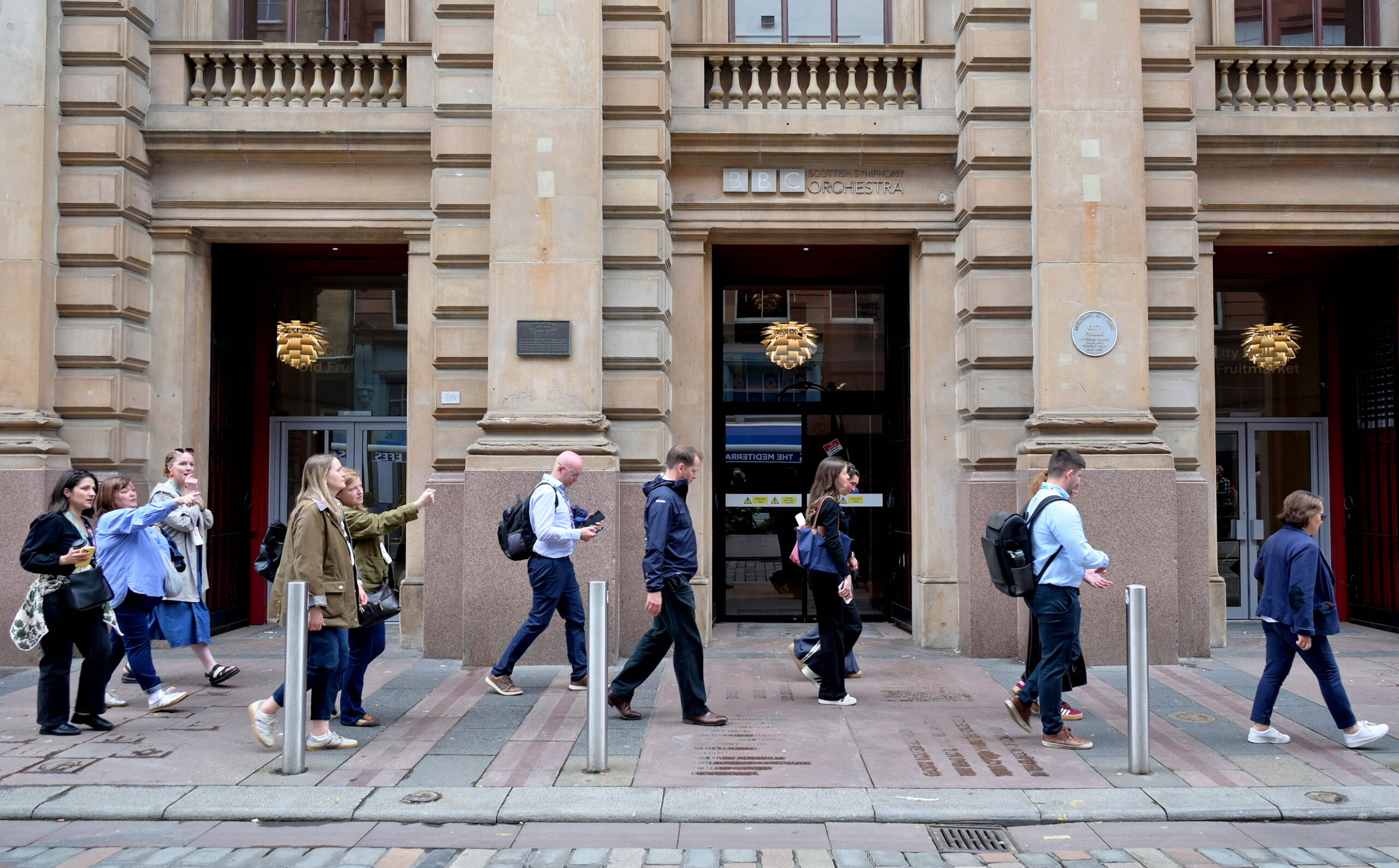
BCO Conference 2026 insights: “I can’t believe we are still talking about the Covid effect all these years on,” said Ashleigh Corbett, head of flex for Scotland at CBRE, as the almost-opening gambit in a session about operational excellence.
She cast minds and memories back to the spring and summer of 2020 when flex enquiries “went up 150% overnight” as corporate occupiers started to realise it would be much easier to thrive in the post-pandemic office market with some sort of flexible workspace offer.
They were right. A prolonged period of near-universal working from home, followed by a somewhat messy navigation of hybrid working, saw demands change and employee preferences shift. A market once dominated by small businesses and start-ups became an integral part of the office landscape at breakneck speed.
Workspaces that work
Nearly seven years on, the question is less about why flex went mainstream and more about what landlords, occupiers and end users now expect from it and what that teaches us about delivering workspaces that work.
“We have to remember that the customer and the consumer aren’t always the same,” said Chris Moriarty, co-founder and director of workplace analytics software company Audiem. “A customer might care deeply about how flexible a workspace is, while the consumer might care more about getting a desk, having access to something decent to eat, clean toilets and whether the building actually works.”
The key to success, then, is making sure everyone gets what they want out of the deal. That means delivering excellence at every stage – in design, in development and in operation.
Flexibility needs to be at the heart of these spaces by default. The amenities and overarching functionality of the building can’t fall by the wayside because while it might be the elastic contract terms that draw in the customer, it is the amenities and design that are more likely to resonate with the people using it day to day.
Design-driven amenities
“These need to be customer-focused, hospitality-led, amenity-rich workplaces,” said CBRE’s Corbett. “It needs to feel more like home. Is it a gimmick to have GHD hair straighteners? Well, we are all heading out later and I’ll be going to freshen up at a serviced office because I know they have the good mirrors, the good showers and, yes, the good straighteners.”
“Design drives good amenity,” countered Ruairi Dempsey, electrical area business class lead at HDR. “As for the overarching success of these spaces, that’s simple: they must serve a purpose and, to be effective, we have to know how they are used.”
“People have to enjoy a space the first time they walk in,” said Stefano Faiella, director at Threesixty Architecture. “That’s how you get them to come back. Challenge number one is creating an emotional connection. That’s doesn’t need to be anything particularly complicated.
“If someone can visit on a really bad day in the pouring rain and battering wind and still want to come back, that’s usually because there is something magical about the space; anything from the design to the location.”
And it is that, said our experts, that will determine whether a space succeeds. Everything else, from the hair straighteners to the location, feeds into that deciding factor.
Ultimately, they will come if design, development and operation deliver not just what the consumer wants, but what they need – with flexibility.
Words by Emily Wright


 By BCO Media