BCO Archives - Page 2 of 2 - BCO - British Council for Offices BCO Archives - Page 2 of 2 - BCO - British Council for Offices

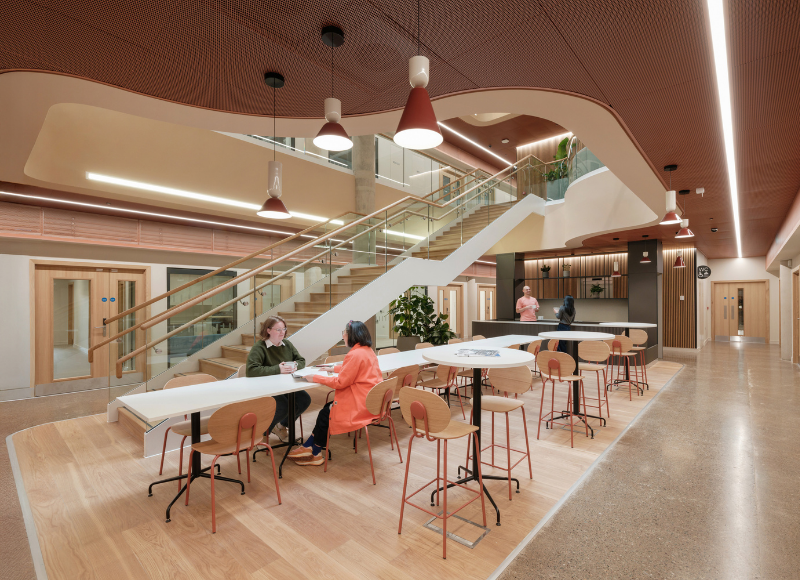
A focus on people, place and protecting the planet came through powerfully in this year’s winners of the BCO’s Midlands & Central England Awards.

On Friday 8 May 2026 at the Eastside Rooms, Birmingham, the BCO’s annual awards lunch celebrated five incredible workplaces, ranging from transformative refurbishments to an exemplary, double-award-winning office development.

The BCO regional award winners for the Midlands & Central England are:

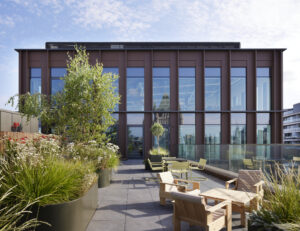
  • Commercial Workplace: Three Chamberlain Square, Birmingham
  • Fit Out of Workplace: Standard Life, 10 Brindleyplace, Birmingham
  • Projects up to 2,500 sq m: NESO The Energy Lab, Warwick
  • Refurbished / Recycled Workplace: 19 Cornwall Street, Birmingham
  • Innovation:1 BHIC, Birmingham
  • ESG: Three Chamberlain Square, Birmingham

Double winner Three Chamberlain Square stood out for judges for placing sustainability, wellbeing and operational carbon at the core of its design and development and for “redefining what is possible in a heritage setting”.

Emma Cochrane, chair of the Midlands & Central England judging panel and director at Weedon Architects said: “The BCO Awards continue to recognise the teams creating exceptional workplaces. This year’s entries demonstrate the ongoing evolution of office design, with a strong focus on high-quality spaces that foster collaboration and prioritise people’s wellbeing. Sustainability and carbon-conscious design continue to drive innovation in re-use, material selection, and experimentation. Congratulations to all the regional winners, and best of luck in the National Awards.”

Rob van Zyl, chair of the BCO Midlands Committee and partner at Cundall said: “The BCO Awards recognise offices that push the boundaries of what great workplaces can be. This year’s winning projects highlight how intelligent design, low‑carbon thinking and a human‑centred approach can come together to create buildings that are resilient, flexible and inspiring.

“They reflect the Midlands and Central England’s growing reputation for delivering high‑quality, sustainable workplaces — offices that not only perform well technically, but support wellbeing, productivity and positive social impact.”

Samantha McClary, BCO chief executive, added: “BCO award winning workspaces continue to define what good looks like and it is incredibly inspiring to see, not just through the winners, but through every entry, how our sector is creating places with purpose. Places that put people and the planet at the heart of what they deliver. This sector is leading the way and it is a great privilege for the BCO to be able to celebrate best-in-class and to showcase the excellence that our designers, developers and operators of workspaces are creating. Congratulations to all our winners and shortlisted entries.”

Midlands and Central England winners will compete for the BCO National Awards on Tuesday 6 October 2026 at London’s Grosvenor House hotel. Tickets go on sale next month.

This year’s Gold sponsors are AET Flexible Space and Troup and Bywaters + Anders. Overbury and Quantem are Silver sponsors. Estates Gazette is media partner for the awards.

THE WINNERS:

Commercial Workplace and ESG Award: Three Chamberlain Square, Birmingham

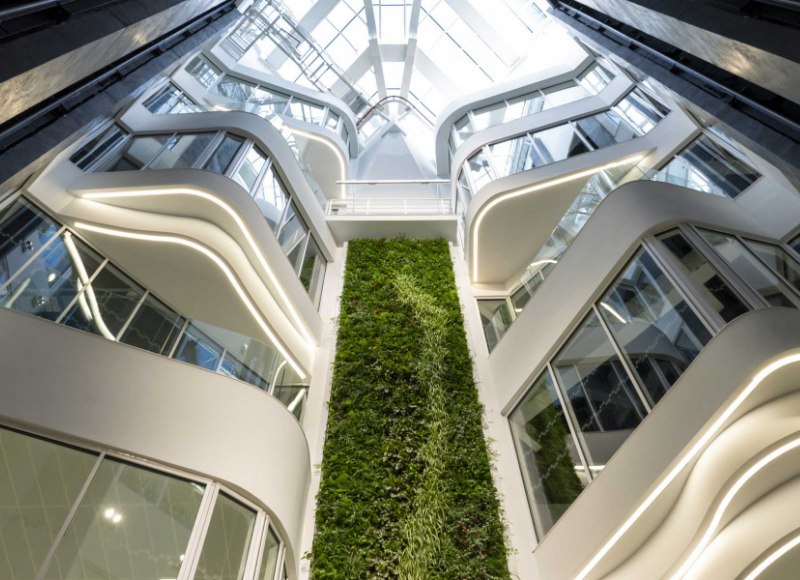
What is it? A commercial workplace distinguished by its terracotta façade, forming part of the 1.8m sq ft Paradise masterplan.

The judges said: “Sustainability, wellbeing and operational carbon were at the core of the design and construction process, resulting in a fully electric and fossil fuel free development. The scheme demonstrates exemplary environmental credentials and material innovation, achieving BREEAM Outstanding and targeting a NABERS 5* rating – firsts for the West Midlands – alongside an EPC A rating, WiredScore and ActiveScore Platinum. Responding sensitively to its historic context, the project draws inspiration from its surroundings while redefining what is possible in a heritage setting.”
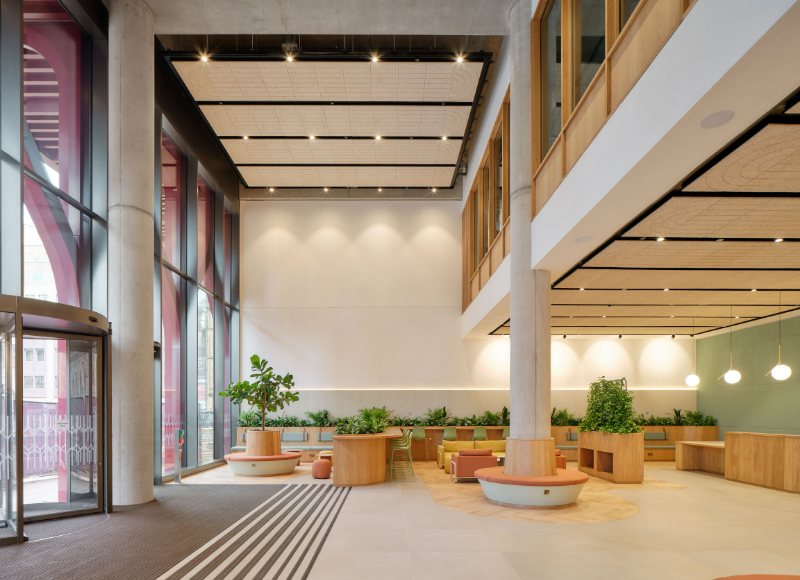
Fit Out of Workplace: 10 Brindleyplace, Birmingham

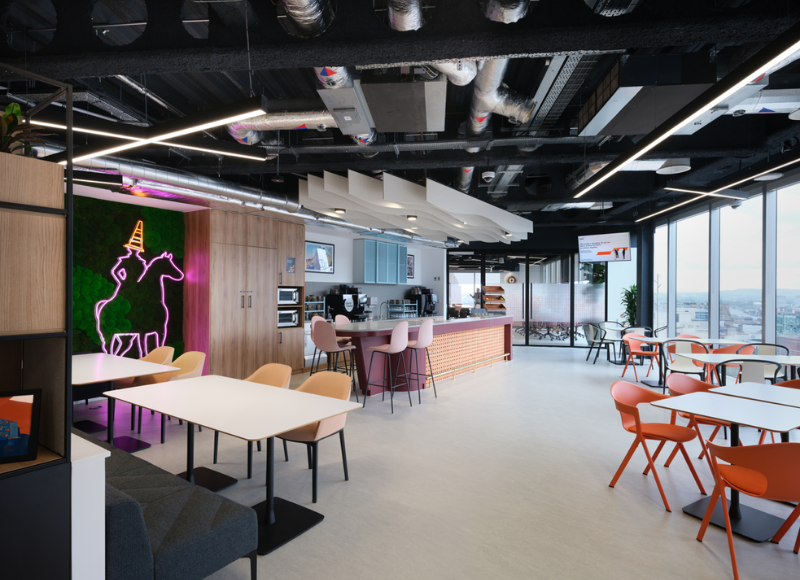
What is it? A sixth-floor transformation for Phoenix Group, marking a pivotal move under the Standard Life brand from its expansive former Wythall campus to a compact city-centre hub.

The judges said: “The new workplace delivers a dynamic, people-focused environment centred on collaboration, flexibility and wellbeing. Adaptable workstations, biophilic design and the extensive reuse of materials significantly reduce embodied carbon, while smart utilisation technology enhances operational efficiency. The project is recognised as a forward-looking workplace that successfully balances flexibility, performance and employee experience, reflecting a renewed sense of culture and identity.”
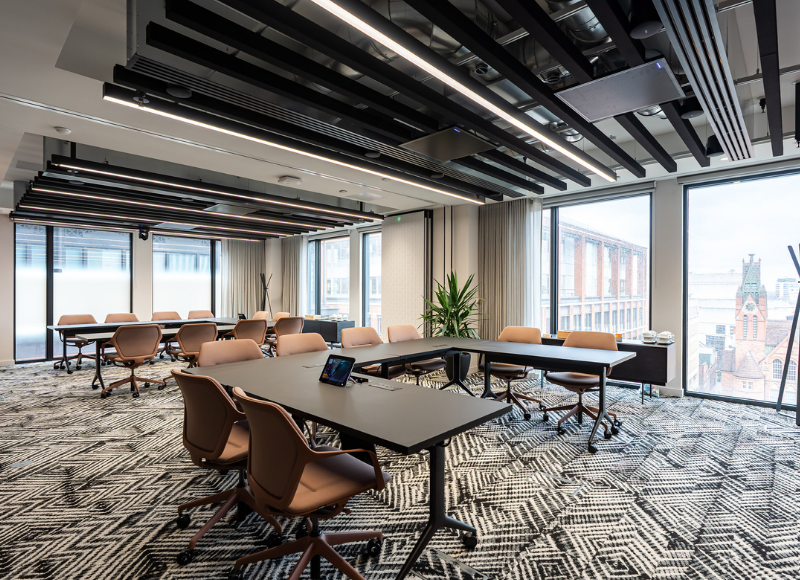
Projects up to 2,500m²: NESO The Energy Lab, Warwick

What is it? A pilot scheme representing a workplace solution that facilitated the transition away from National Grid into an independent organisation.

The judges said: “Achieved through a collaborative approach which included an extensive 90-strong staff-led design process, this project places its people at the centre of its vision. The judges were particularly impressed by the circular economy principles adopted, with the reuse of existing materials and remanufactured furniture forming a core part of the delivery. The notable achievement of zero waste to landfill further distinguished the scheme.”
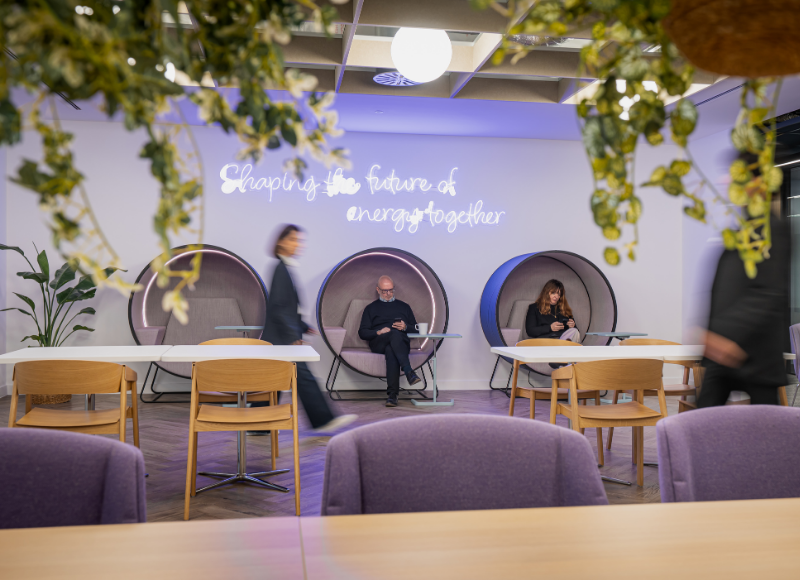
Refurbished / Recycled Workplace: 19 Cornwall Street, Birmingham

What is it? A back-to-frame refurbishment retaining and reusing much of the existing fabric while fundamentally repurposing the asset into a modern workplace with a focus on ESG and occupier wellbeing. 

The judges said: “Recycled materials are integral to the design, supporting an operational net zero carbon approach. Material use was minimised, with a focus on low-carbon, locally sourced, and high-recycled-content options. The building has embraced Smart Pass technology, offering seamless connectivity and user experience, alongside sophisticated building system control with data capture for monitoring and reporting. This refurbishment is an excellent example of carefully measured sympathetic intervention to deliver a modern, future-ready workplace.”
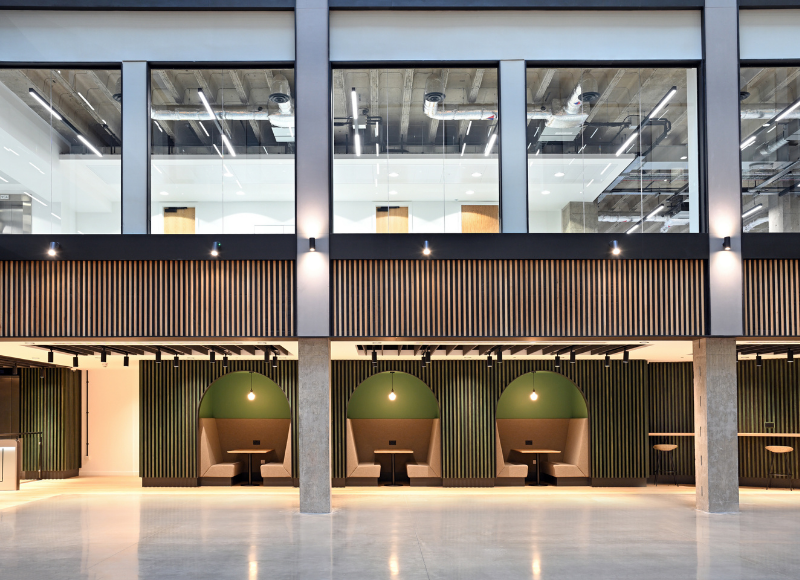
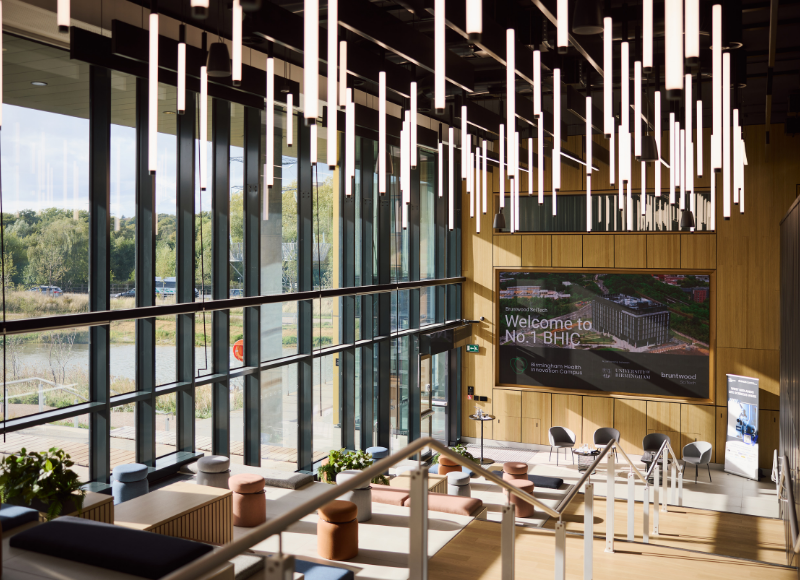
Innovation: No.1 BHIC, Birmingham

What is it? No.1 BHIC represents the first phase of a health and innovation campus near the University of Birmingham and Queen Elizabeth Hospital.

The judges said: “From the impressive double-height event space and communal café to a diverse mix of laboratory, flexible office and training environments, this project sets a new UK benchmark for integrated commercial, clinical and academic workplaces. Strong occupancy success at the time of visit reflects its market appeal. Underpinned by a robust approach to sustainability and future-proofing, No.1 BHIC combines all the key ingredients needed to create a nationally significant destination for the life sciences sector.”
AET Flexible Space, Troup Bywaters + Anders, Quantem and Overbury are proud sponsors of the BCO Midlands Awards.

Media partner: Estates Gazette.

BCO North media contact:

For more information please contact Paul King, PR director at Barques on 0121 230 2080.
A new age for retrofit; pushing the boundaries on circularity; and celebrating sustainability and heritage. Those were just a few of the key messages shared as seven incredible workspaces were crowned winners of the BCO Scotland Awards today.

Held at Glasgow’s Hilton Hotel, the BCO’s annual Scottish Awards lunch, hosted by comedian Christopher Macarthur-Boyd, recognised projects that demonstrate best practice in office design, fit-out, operation and sustainability, setting the bar for excellence across the sector.

The BCO Award winners for Scotland are:

  • Projects up to 1,500 sq. m: BDP Studio, Glasgow
  • Refurbished / Recycled workplace: Lucent, Glasgow
  • Fit-out of Workplace: PwC at Aurora, Glasgow
  • Corporate Workplace: 20 Brandon Street, Edinburgh
  • Commercial Workplace: 30 Semple Street, Edinburgh
  • Innovation: Health Innovation Hub, Glasgow
  • ESG: Cundall New Clarendon, Edinburgh

The Committee Chair’s Award, for an outstanding contribution to the Scottish property industry, was also presented to MLA’s Gillian Stewart.

Peter Kerr, chair of the BCO Scotland committee, said: “I am delighted with the calibre and diversity of this year’s winners. From creative retrofits to cutting‑edge lab space, each project demonstrates the quality, sustainability and occupier focus that the BCO champions. The strength of entries from both Glasgow and Edinburgh shows how resilient and adaptable Scotland’s office market remains.”

 Tim Griffin, chair of the Scottish Judging panel, added:  “This year’s entries continued the trends of previous years with a clear shift towards improved environmental performance, reduced embodied carbon, and a consistent ambition to the increase colleague attendance in the office by embracing experiential design principles. It was great to see a number of entries in the Commercial Workplace category this year after a no-show last year, and an increased focus on refurbishment and remodelling of existing office stock.”

 “Scotland never disappoints when it comes to showcasing the very best in workplace design, fit-out and operation,” said BCO chief executive, Samantha McClary, “and its brilliant to see exemplar projects in Glasgow and Edinburgh recognised by our judges.

“What continues to shine through in the BCO awards is this industry’s commitment to delivering sustainable buildings, projecting heritage and creating workspaces that work for human beings. Congratulations not just to everyone who won today, but to all those shortlisted.”

All winners from the Scotland awards will compete with other winners from across the UK at the BCO National Awards in October.

THE WINNERS:

Projects up to 1,500 sq. m: BDP Studio, Glasgow

What is it? BDP’s new Glasgow studio, occupying the historic Grosvenor Building in Glasgow’s Gordon Street.

The judges said: “Delivered with a strong focus on sustainability and enhancing their own studio culture, this scheme achieves low energy use while prioritising the reuse of existing furniture, all within a comparatively modest budget. The result is a highly successful project that demonstrates what can be achieved through creativity, rigour and commitment.”

Refurbished / Recycled workplace: Lucent, Glasgow

What is it? A newbuild wrapped in a historic façade, located on Glasgow’s Bothwell Street, with sustainability at its core.

The judges said: “Lucent is an exemplary project demonstrating how a complex and constrained building can be successfully transformed into high quality office accommodation.  The clever incorporation of the historic sandstone frontage on the upper levels preserves and celebrates the building’s heritage, whilst enabling the delivery of high-quality Grade A workspace.”

Fit-out of Workplace: PwC at Aurora, Glasgow

What is it? A highly successful fit-out for PwC within the previous BCO award winning Aurora building, creating a workplace of genuine quality and versatility.

The judges said: “The office design balances the needs of a corporate environment with a strong hospitality feel, whilst reflecting both the local culture and character of Glasgow. The inclusion of an interconnecting stair between floors is a particularly successful intervention, enhancing physical connectivity and promoting knowledge exchange across teams. Overall, this is a confident and engaging workplace that fully realises the potential of the building.”

Corporate Workplace: 20 Brandon Street, Edinburgh

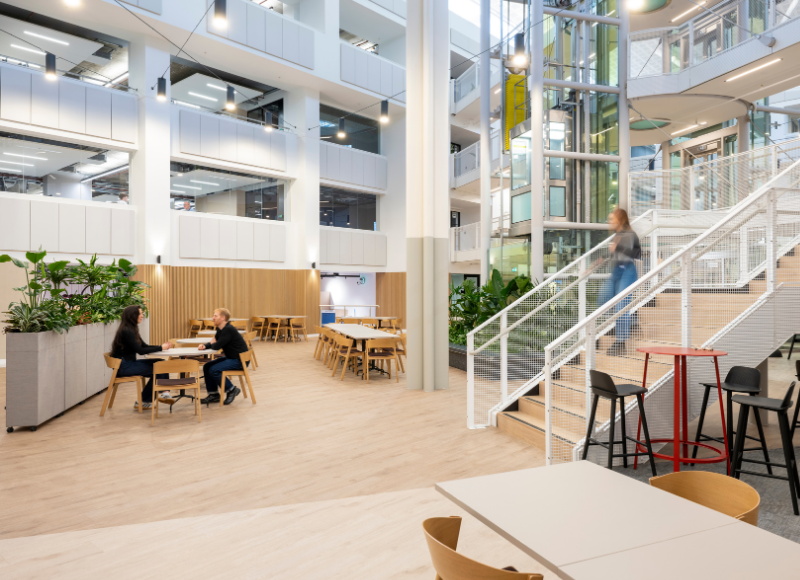
What is it? An exemplary refurbishment in Edinburgh’s New Town for BlackRock, transforming a historic B-listed former printworks and 1970s office into 140,000 sq ft of modern workspace.

The judges said: ”Brandon Street exemplifies exceptional adaptive reuse, seamlessly transforming the three buildings into a cohesive workspace for 1,500 employees. The innovative reimagining of the central atrium as a vibrant social hub with bleacher seating, café, and wellness facilities demonstrates how thoughtful design can fundamentally enhance user experience and collaboration. The project’s robust sustainability achievements and inclusive design approach, developed through extensive stakeholder engagement, establish it as an exemplary example of heritage-sensitive workplace regeneration.”

Commercial Workplace: 30 Semple Street, Edinburgh

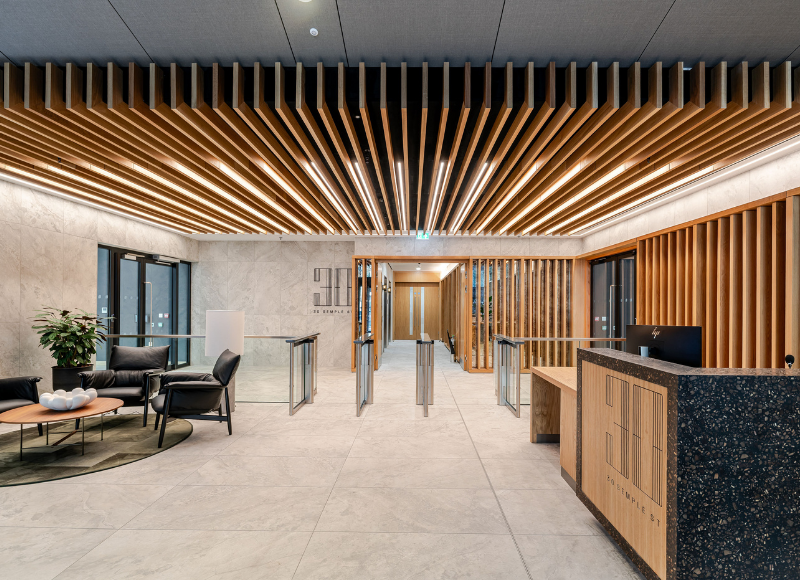
What is it? A ‘new age’ of retrofit, having been awarded the first BREEAM Outstanding certification in Scotland for an office building refurbishment. 

The judges said: “We were impressed by the quality and calibre of the enhancements – the building is unrecognisable when compared with its starting point and is an outstanding example of what can be achieved with a retrofit development.  This is reflected in the fact that 30 Semple Street has set a new benchmark for office rental levels in the city.  The amenity areas, wellbeing spaces and finishes are of a very high quality, adding a subtle luxe feel to the building which creates a real sense of place and gives the building a true personality.”

Innovation: Health Innovation Hub, Glasgow

What is it? the first purpose-built flexible lab and office building in Glasgow totalling 87,000 sq ft. Located strategically adjacent to the Queen Elizabeth University Hospital, the building brings together researchers, healthcare professionals, and innovative companies in a collaborative ecosystem designed to promote and support innovation & growth.

The judges said: “We were extremely impressed by the integrated design approach and investment in flexible and collaborative space and design and are delighted to award this building with the Innovation Award.”

ESG: Cundall New Clarendon, Edinburgh

What is it? Cundall’s new Edinburgh office, in Edinburgh’s George Street

The judges said: “This project has pushed the boundaries on circular economy principles and is a practical demonstration of highly sustainable, cost- efficient, human-centred design, proving that high-performance, flexible, and healthy workplaces can be delivered through circularity principles, careful planning, and performance-based decision-making. It offers a replicable model for low-carbon refurbishment across the sector setting an impressive benchmark for others to follow.”

Gold sponsor’s for this year’s BCO Awards are AET Flexible Space and Troup, Bywaters + Anders. Ryden is sponsor for the Scotland region. Estates Gazette is media partner.

About the BCO

The British Council for Offices’ (BCO) mission is to research, develop and communicate best practice in all aspects of the office sector. It delivers this by providing a forum for the discussion and debate of relevant issues.

Established in 1990, the BCO is the UK’s leading forum for the discussion and debate of issues affecting the office sector.

Its members are all organisations involved in creating, acquiring, or occupying office space, whether architects, lawyers, surveyors, financial institutions, or public agencies. The BCO works to advance the collective understanding of its members, enabling them to work together to create more effective office space.

BCO Scotland media contact:

lisa@skylarkpublicrelations.com

T: 07825225414

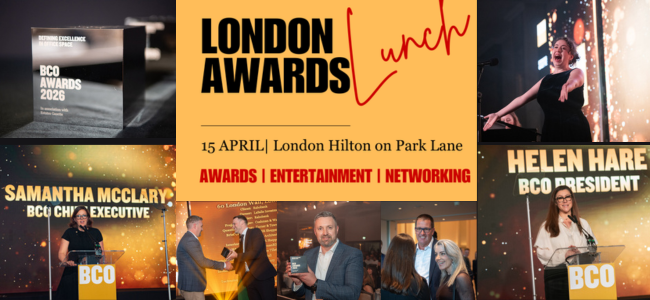
The winners of the British Council for Offices London Awards 2026 have been announced, recognising six outstanding workplace projects that demonstrate design excellence, meaningful sustainability and a strong focus on people and place.

The BCO regional award winners for London are:

  • Best Corporate Workplace: Deutsche Bank, 21 Moorfields
  • Best Commercial Workplace: Stonecutter, 1 Stonecutter Street
  • Best Refurbished / Recycled Workplace: 76 Southbank
  • Best Fit Out of Workplace: Rabobank, 60 London Wall
  • Best Project up to 2,500m²:170 Piccadilly
  • ESG Award: TBC.London, 224-226 Tower Bridge Rd

This year’s winners mark a decisive shift away from demolition‑led development towards long‑term urban stewardship, with projects such as 76 Southbank, delivered by AHMM for Wolfe Commercial Properties, and TBC.London, developed by FORE Partnership with Stiff + Trevillion, demonstrating how existing buildings can be re‑engineered into world‑class workplaces through material reuse, architectural restraint and net‑zero ambition.

Angela Joseph, development director at Brookfield Properties and chair of the BCO London judging panel, said: “This year’s projects show a real maturity in how the industry is working. Teams have taken on enormously difficult sites; building over live rail infrastructure, working sensitively with listed fabric, and turned those constraints into the driving force behind better design. I’ve been impressed by the brave and thoughtful choices made by teams, from reusing structural steel to making sure that all workspaces work harder to achieve a range of uses for occupiers and the highest possible sustainability standards. These are buildings shaped by long-term thinking rather than short-term solutions.”

Integrated design, where architecture, engineering and interiors were conceived together, emerged as a recurring practice across the winners. BCO Judges commended the collaborative approach at 21 Moorfields, led by WilkinsonEyre with tp bennett and a multidisciplinary engineering team, as well as at Stonecutter, where tp bennett, Hoare Lea and CO‑RE aligned sustainability, structure and tenant experience from an early stage to deliver a fully electric, highly sustainable commercial workplace.

Social value and ESG beyond compliance also differentiated this year’s winners. Projects were recognised not only for environmental performance, but for how teams invested in skills, craft and community. Judges pointed in particular to TBC.London’s pioneering approach to reclaimed steel and bricklaying training, Stonecutter’s focus on education and community engagement, and the public realm improvements delivered at Lendlease’s Moorfields and along the South Bank.

Clare Ashmore, chief operating officer at Parkeray and chair of BCO London committee, said: “This year’s London winners show that wellbeing is no longer a nice‑to‑have in workplace design, but central to how offices are conceived and delivered. With ESG shaping everything from architecture and construction to long‑term social impact, these projects demonstrate how workplaces can support people, strengthen their surroundings, and still perform commercially. They set a strong and inspiring benchmark for the next generation of London workplaces.”

Samantha McClary, chief executive of the BCO, added: “What these London winners demonstrate is a wider shift in mindset across the office sector. Faced with unprecedented economic, environmental and social change, the industry is showing it can adapt with confidence, investing in quality, reuse and long-term value. The winners also reinforce the role of the office as critical infrastructure for cities like London by supporting productivity, wellbeing and connection.”

Please see below for full list and description of winning projects:

Best Corporate Workplace: Deutsche Bank, 21 Moorfields

Described as “a building that is a bridge”, 21 Moorfields is a landmark corporate headquarters delivered above a complex operational rail interchange in the City of London. The project combines architecture, engineering and interiors in a highly integrated way, creating a flexible, future-ready workplace while significantly enhancing the public realm with new routes and public spaces linking Moorgate and the Barbican. Judges praised the project as a market‑leading example of user-focused design delivered under extraordinary constraints.

Best Commercial Workplace: Stonecutter, 1 Stonecutter Street

Stonecutter impressed the judges with its thoughtful response to context, drawing on the area’s historic diamond‑cutting heritage to inform its design. The all‑electric building delivers strong environmental performance alongside a clear social value agenda, particularly its focus on education and community engagement. Fully let ahead of completion, judges described the project as a highly sustainable workplace designed to stand the test of time.

Best Refurbished / Recycled Workplace: 76 Southbank

76 Southbank is an exemplary refurbishment and extension of Sir Denys Lasdun’s final major building, delivered with exceptional care and attention. Judges praised architect AHMM for its sensitive material approach, including the replication of the original precast granite panels, and the transformation of the building’s relationship with the public realm through new entrances and generous riverside terraces. The result is a world‑class office that reconciles heritage conservation, net‑zero ambition and civic presence.

Best Fit Out of a Workplace: Winner: Rabobank, 60 London Wall, Highly Commended: Pension Insurance Corporation (PIC), 22 Ropemaker Street

Rabobank’s fit out was recognised for its calm, refined design and strong emphasis on sustainability and wellbeing. Extensive material and furniture reuse underpin aspirations for BREEAM Outstanding and WELL Platinum, while communal spaces sit at the heart of the workplace. PIC was highly commended for its thoughtfully executed office, where flexible layouts, generous terraces and embedded wellbeing spaces support long‑term adaptability.


Best Project up to 2,500m²: 170 Piccadilly

170 Piccadilly was praised for successfully balancing heritage with modern workplace standards. Working sensitively alongside a listed building, the project unlocks new amenities, including a rooftop terrace and end‑of‑trip facilities. while delivering high environmental performance. Judges described it as a model example of how heritage buildings can be adapted to support contemporary working.

ESG Award: TBC.London, 224–226 Tower Bridge Road

TBC.London set a new benchmark for ESG-led development. The judges highlighted its pioneering reuse of reclaimed steel through “urban mining”, its handcrafted brick façade delivered via a training programme, and its commitment to net‑zero carbon in operation. Beyond the building, the project supports local communities through affordable spaces, a curated food offer and partnerships with Southwark Council. Judges praised it as a project that genuinely goes beyond box‑ticking.

The London winners will go on to compete at the BCO National Awards in October.

The Gold sponsors for this year’s BCO Awards are: AET Flexible Space and Troup Bywaters + Anders. The London regional sponsor is Wilmott Dixon. Estates Gazette is media partner.

Please find a link to images of the winners here.

The BCO (British Council for Offices) today announces the commissioning of a major update to its Good Practice in the Selection of Construction Materials guide, with Arup appointed as technical author.

Arup will co-fund the report with the BCO.

Last published in 2011, the guide replaced ineffective materials exclusion lists with practical, risk-based guidance for materials selection. Widely referenced by legal professionals, regulatory authorities, and industry practitioners, it has become a trusted guide for good practice in the selection of construction materials.

The 2026 update will reflect significant developments in regulation, sustainability expectations, and technical standards. The revised guidance will strengthen the focus on sustainable design and responsible specification.

Key areas of enhancement include:

  • Sustainability and environmental impact: materials health and toxicity, responsible procurement, embodied carbon, circular economy approaches, and nature impacts of materials supply chains.
  • Expanded materials coverage: concrete systems, composites, membranes & textiles, alongside updated insights for brick, timber, stone, and other conventional construction materials.
  • Alignment with evolving regulation and standards: including fire safety, testing and certification, and whole-life carbon assessment.

Samantha McClary, chief executive of the BCO, said: “The original guide encouraged the industry to move from blunt materials exclusion lists to a more thoughtful, risk-based approach to materials selection. With regulatory requirements and sustainability expectations evolving rapidly since 2011, this update ensures the guidance remains relevant, practical, and aligned with today’s best practice.”

Neil Pennell, chair of the BCO Technical Affairs Committee and Landsec’s head of design innovation and property solutions, added: “Materials selection is increasingly complex and risk sensitive. Our priority with this update is to keep the guidance practical, clear, and grounded in real project decision-making. The refreshed guide will be an essential resource for industry professionals providing teams with comprehensive advice on how to make informed choices on their projects. ”

Graham Dodd, Arup fellow and director, said: “Materials specification sits at the heart of the industry’s response to climate, health, and resource challenges. We are pleased to support the BCO in updating this guide. This update will reflect the latest standards, respond to emerging risks and encourage more sustainable decisions on materials, sourcing and wider environmental impacts, where they matter most.”

The guide is scheduled for release in October 2026. It will maintain the clarity, consistency, and practical focus that has made it a trusted reference across the legal, regulatory, and construction communities.

Latest news

July 21, 2026
By BCO Media

The Draft London plan 2026

Mayor of London, Sadiq Khan, published the draft London Plan on 16 July 2026.
Read more
July 09, 2026
By BCO Media

Meet the finalists: BCO Ideas Competition 2026

After receiving a bumper crop of fantastic ideas for this year’s BCO Ideas Competition, an expert team managed to whittle down the more than 20 submissions to just six.
Read more
July 06, 2026
By BCO Media

Could you be the BCO’s next junior vice president?

We’re on the hunt for a new dedicated member of the BCO to join our presidential team to help guide, support, govern and advocate for and on behalf of the BCO. Could it be you?
Read more