workspace Archives - BCO - British Council for Offices workspace Archives - BCO - British Council for Offices

Good landscape design – in and outside of your workspace – is social infrastructure. Getting it right can support mental health, reduce stress, improve navigation, encourage civic life and unlock wider investment.

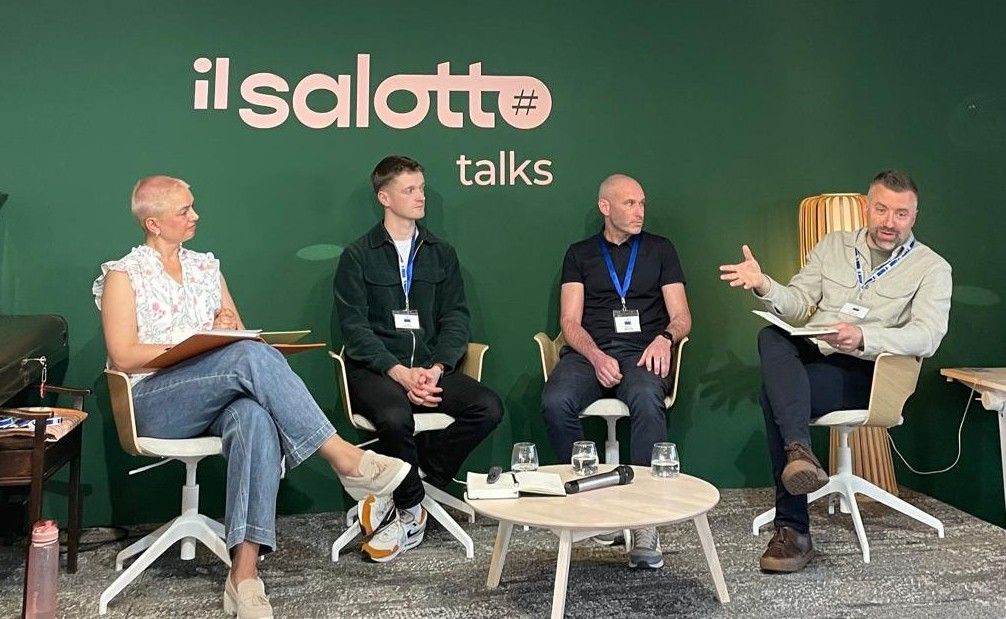
This was the topic of discussion at a recently hosted BCO Scotland event that brought together Greg Meikle, regional director at OOBE, Gordon Yeaman, director at MLA and Cameron Kerr’s Bernie Carr, to argue that biophilic design is so much more than just the introduction of plants into buildings.

A recurring theme was that landscape and external environment should not be treated as an afterthought, with the panel arguing that public realm, planting, views, daylight, thermal comfort and access to nature all influence how people experience buildings and cities.

The speakers challenged the idea that indoor planting alone delivered biophilic outcomes.

Plants can help, but only when the underlying environmental “canvas” is right. However, offices are often highly artificial environments: fixed temperatures, fixed lighting levels and controlled airflow.

Proper biophilic design requires more dynamic, naturalistic conditions, including daylight variation, air movement, material texture, views, seasonal change and opportunities to move between different environments.

The debate also connected biophilic design with trauma-informed design, with the panel highlighting how external routes, thresholds, wayfinding, colour, material changes and safe arrival sequences can materially affect whether people feel able to access a building. In healthcare and education contexts, better-designed environments were said to contribute to fewer missed appointments and reduced pressure on services.

 Another strong thread throughout the conversation was measurement. The panel acknowledged that the sector was good at measuring isolated components such as canopy cover, light levels or floor area, but much less effective at measuring lived experience. Post-occupancy evaluation was identified as essential, particularly if designers want to prove that early investment in landscape, public realm and environmental quality creates real value.

The discussion concluded with a focus on Glasgow and Scotland more generally. The panel suggested that Scotland was still behind parts of England and Europe in treating landscape and public realm as a primary driver of development quality. Projects such as George Square, the Avenues and the Clyde were discussed as opportunities to use landscape, water, biodiversity and “meanwhile” interventions to make the city centre healthier, more attractive and more investable.

Top ten takeaways

  1. Biophilic design is not just plants
    It includes daylight, air movement, thermal variation, natural materials, views, smell, sound, texture, seasonality and people’s emotional experience of space.
  2. Landscape must be involved from day one
    Leaving external space until the end usually reduces it to “green sauce” rather than a meaningful part of the development strategy.
  3. The base environment matters before decoration
    A rigid, sealed, artificially lit office cannot become genuinely biophilic simply by adding planting.
  4. Real plants outperform artificial ones
    Their value is not only visual. They change, grow, support air quality, create moments of attention and give people a sense of living connection.
  5. Experience is harder to measure than cost, but no less important
    The panel called for better post-occupancy evaluation to understand how spaces are actually used and felt.
  6. Biophilic design can support trauma recovery and accessibility
    Safe routes, clear thresholds, intuitive wayfinding and softer sensory environments can reduce anxiety and help people feel able to enter and use buildings.
  7. Choice is critical
    People need different types of space: light and dark, open and sheltered, social and quiet, warm and cool.
  8. Thermal variation can be positive
    The panel discussed “thermal alliesthesia”: the pleasure and stimulation people can feel from moving between different thermal conditions rather than sitting in one fixed temperature all day
  9. Public realm investment can unlock wider value
    Good streets, squares, green spaces and riverfronts can improve wellbeing while also encouraging commercial and civic investment
  10. Scotland needs to treat landscape as social infrastructure
    The strongest closing point was that biophilic and landscape-led design should be outcome-based, strategic and embedded early, not treated as optional aesthetic enhancement.

If you’d like to find out more about the BCO’s events, check out our calendar here: https://www.bco.org.uk/events

From Pixel in Penzance to Arlington Square in Bracknell, workspaces across the South of England and South Wales are leading the way in design, sustainability and occupier experience.

Six incredible buildings were crowned winners at the BCO awards, held at We The Curious in Bristol last night.

Swansea Council’s 71-72 The Kingsway picked up two awards for Commercial Workplace and Innovation. Judges said that the building stood out for its “seamless integration of architectural quality, sustainability, and user-focused innovation”.

The scheme was described as an “enabler for future regeneration” in Swansea that was “pushing boundaries, delivering creative solutions in design, construction, and environmental performance that elevate both occupier experience and long-term asset value”.

The BCO award winners for the South of England and South Wales are:

  • Commercial Workplace: 71-72 The Kingsway, Swansea
  • Corporate Workplace: Pixel Penzance, Causewayhead, Penzance
  • Fit Out of Workplace: Christopher Ward HQ, 14-18 Bell Street, Maidenhead
  • Projects up to 2,500 sq m: 3 Arlington Square, Bracknell
  • Refurbished / Recycled Workplace: The Works, Farleigh Bridge, East Farleigh
  • Innovation: 71-72 The Kingsway, Swansea
  • ESG: Welcome Building, Avon Street, Bristol

Harry Allen, chair of the South of England & South Wales judging panel and director, South West Office Agency at Savills, said: “What stands out across this year’s projects is their impact beyond the workplace itself. From revitalising town centres and supporting local economies to redefining the role of the modern office, each scheme demonstrates how far the sector has evolved. Collectively, they reflect a growing emphasis on sustainability, wellbeing and creating workplaces with a strong sense of place.”

Samantha McClary, BCO chief executive, added: “Vibrant, impactful, enablers, drivers of economic growth. This is exactly what our workspaces are and this has been powerfully underscored by not just this year’s winners at the South of England & South Wales BCO Awards, but through every project shortlist. Innovation is clearly strong in the region and the depth and breadth of projects from Cornwall to Berkshire is not just inspiring to see but is clear further evidence that the idea that the office is dead, is most definitely fake news.”

South of England & South Wales winners will compete to be the best of the best at the BCO National Awards on Tuesday 6 October 2026 at London’s Grosvenor House hotel. Tickets go on sale on 3 June.

This year’s Gold sponsors are AET Flexible Space and Troup Bywaters + Anders. Overbury is Silver sponsor and MCS is Bronze sponsor. Estates Gazette is media partner for the awards.

THE WINNERS:

Commercial Workplace and Innovation Award: 71-72 The Kingsway, Swansea

What is it? A standout commercial scheme that sets a new benchmark for workplace design, combining high-performance building systems with flexible, future-ready spaces.

The judges said: “71-72 The Kingsway stood out for its seamless integration of architectural quality, sustainability, and user-focused innovation. It is an enabler for future regeneration of Swansea city centre, with multiple active frontages, new routes, and a bold architectural approach. It is innovative in both its sustainable and visual design, material use and procurement strategy in a challenging rental market. This scheme pushes boundaries, delivering creative solutions in design, construction, and environmental performance that elevate both occupier experience and long-term asset value.”

 Corporate Workplace: Pixel Penzance, Causewayhead, Penzance

What is it? A design-led response to high street decline, creating a landmark creative hub that blends innovation with heritage.

The judges said: “Pixel’s flexible, future-proofed studio leasing model actively supports Penzance’s creative sector, driving economic regeneration and community engagement. The project  demonstrates long-term value and showcases robust environmental credentials: BREEAM Excellent, lifecycle carbon assessment and passive design. Pixel shows how corporate investment can revive communities, champion sustainability and nurture business ecosystems.”

Fit Out of Workplace: Christopher Ward HQ, 14-18 Bell Street, Maidenhead

What is it? A 10,079 sq ft fit out integrating administration, design studios, logistics, repair facilities, and customer experience showrooms under one roof.

The judges said: “This holistic approach optimises the flow of components and is designed to accommodate future growth and flexible working. The “pickable” showroom walls are original and give customers direct physical interaction, enhancing brand experience and reinforcing Christopher Ward’s identity as a maker of high-quality mechanical watches. The fit out excels by consolidating operations. It successfully supports hybrid working while providing high quality customer engagement through interactive showrooms. The scheme also demonstrates value and sustainability, with 92% of construction waste being recycled or reused.”

Projects up to 2,500m²: 3 Arlington Square, Bracknell

What is it? A vibrant workplace transformation that blends wellness, connectivity, and outdoor amenities in a campus-style setting.

The judges said: “Aligned with the principles championed by BCO, this project illustrates how targeted design interventions, even at a relatively small scale, can have a big impact and transform underutilised common areas within an existing building. The amenities significantly improve the tenant experience while fostering community and promoting wellbeing within the workplace. What made this a compelling entry is the sense of community this creates, achieved within a modest footprint.”

Refurbished / Recycled Workplace: The Works, Farleigh Bridge, East Farleigh

What is it? A small but impactful and well-crafted refurbishment that exemplifies the value of reuse and reinvention.

The judges said: “Sensitive yet transformative, this project has breathed new life into the structure of a Victorian pump house with great visual appeal. The project strikes an effective balance between retaining character and introducing contemporary interventions, demonstrating strong sustainability credentials through material reuse and reduced embodied carbon. A thoughtful and well executed scheme that highlights the potential of refurbishment as a viable and responsible alternative to new build.”

ESG Award: Welcome Building, Bristol

What is it? A best-in-class commercial development that has helped redefine Grade A office provision in Bristol.

The judges said: “It delivers exceptional sustainability, wellbeing and amenity standards, achieving BREEAM Outstanding, EPC A and targeting a NABERS 5 Star rating. Its striking design, with large flexible floorplates and an amenity-rich internal “Street”, creates a vibrant, hospitality-led environment of exceptional quality. The project also delivered meaningful social value through local employment, community initiatives and public art. With its landmark presence, market-leading specification and curated interiors, Welcome Building represents a significant step forward for commercial workspace in the region.”

BCO South of England and South Wales media contact: Georgie Butler at Barques on 0121 230 2080

A focus on people, place and protecting the planet came through powerfully in this year’s winners of the BCO’s Midlands & Central England Awards.

On Friday 8 May 2026 at the Eastside Rooms, Birmingham, the BCO’s annual awards lunch celebrated five incredible workplaces, ranging from transformative refurbishments to an exemplary, double-award-winning office development.

The BCO regional award winners for the Midlands & Central England are:

  • Commercial Workplace: Three Chamberlain Square, Birmingham
  • Fit Out of Workplace: Standard Life, 10 Brindleyplace, Birmingham
  • Projects up to 2,500 sq m: NESO The Energy Lab, Warwick
  • Refurbished / Recycled Workplace: 19 Cornwall Street, Birmingham
  • Innovation:1 BHIC, Birmingham
  • ESG: Three Chamberlain Square, Birmingham

Double winner Three Chamberlain Square stood out for judges for placing sustainability, wellbeing and operational carbon at the core of its design and development and for “redefining what is possible in a heritage setting”.

Emma Cochrane, chair of the Midlands & Central England judging panel and director at Weedon Architects said: “The BCO Awards continue to recognise the teams creating exceptional workplaces. This year’s entries demonstrate the ongoing evolution of office design, with a strong focus on high-quality spaces that foster collaboration and prioritise people’s wellbeing. Sustainability and carbon-conscious design continue to drive innovation in re-use, material selection, and experimentation. Congratulations to all the regional winners, and best of luck in the National Awards.”

Rob van Zyl, chair of the BCO Midlands Committee and partner at Cundall said: “The BCO Awards recognise offices that push the boundaries of what great workplaces can be. This year’s winning projects highlight how intelligent design, low‑carbon thinking and a human‑centred approach can come together to create buildings that are resilient, flexible and inspiring.

“They reflect the Midlands and Central England’s growing reputation for delivering high‑quality, sustainable workplaces — offices that not only perform well technically, but support wellbeing, productivity and positive social impact.”

Samantha McClary, BCO chief executive, added: “BCO award winning workspaces continue to define what good looks like and it is incredibly inspiring to see, not just through the winners, but through every entry, how our sector is creating places with purpose. Places that put people and the planet at the heart of what they deliver. This sector is leading the way and it is a great privilege for the BCO to be able to celebrate best-in-class and to showcase the excellence that our designers, developers and operators of workspaces are creating. Congratulations to all our winners and shortlisted entries.”

Midlands and Central England winners will compete for the BCO National Awards on Tuesday 6 October 2026 at London’s Grosvenor House hotel. Tickets go on sale next month.

This year’s Gold sponsors are AET Flexible Space and Troup and Bywaters + Anders. Overbury and Quantem are Silver sponsors. Estates Gazette is media partner for the awards.

THE WINNERS:

Commercial Workplace and ESG Award: Three Chamberlain Square, Birmingham

What is it? A commercial workplace distinguished by its terracotta façade, forming part of the 1.8m sq ft Paradise masterplan.

The judges said: “Sustainability, wellbeing and operational carbon were at the core of the design and construction process, resulting in a fully electric and fossil fuel free development. The scheme demonstrates exemplary environmental credentials and material innovation, achieving BREEAM Outstanding and targeting a NABERS 5* rating – firsts for the West Midlands – alongside an EPC A rating, WiredScore and ActiveScore Platinum. Responding sensitively to its historic context, the project draws inspiration from its surroundings while redefining what is possible in a heritage setting.”

Fit Out of Workplace: 10 Brindleyplace, Birmingham

What is it? A sixth-floor transformation for Phoenix Group, marking a pivotal move under the Standard Life brand from its expansive former Wythall campus to a compact city-centre hub.

The judges said: “The new workplace delivers a dynamic, people-focused environment centred on collaboration, flexibility and wellbeing. Adaptable workstations, biophilic design and the extensive reuse of materials significantly reduce embodied carbon, while smart utilisation technology enhances operational efficiency. The project is recognised as a forward-looking workplace that successfully balances flexibility, performance and employee experience, reflecting a renewed sense of culture and identity.”

Projects up to 2,500m²: NESO The Energy Lab, Warwick

What is it? A pilot scheme representing a workplace solution that facilitated the transition away from National Grid into an independent organisation.

The judges said: “Achieved through a collaborative approach which included an extensive 90-strong staff-led design process, this project places its people at the centre of its vision. The judges were particularly impressed by the circular economy principles adopted, with the reuse of existing materials and remanufactured furniture forming a core part of the delivery. The notable achievement of zero waste to landfill further distinguished the scheme.”

Refurbished / Recycled Workplace: 19 Cornwall Street, Birmingham

What is it? A back-to-frame refurbishment retaining and reusing much of the existing fabric while fundamentally repurposing the asset into a modern workplace with a focus on ESG and occupier wellbeing. 

The judges said: “Recycled materials are integral to the design, supporting an operational net zero carbon approach. Material use was minimised, with a focus on low-carbon, locally sourced, and high-recycled-content options. The building has embraced Smart Pass technology, offering seamless connectivity and user experience, alongside sophisticated building system control with data capture for monitoring and reporting. This refurbishment is an excellent example of carefully measured sympathetic intervention to deliver a modern, future-ready workplace.”

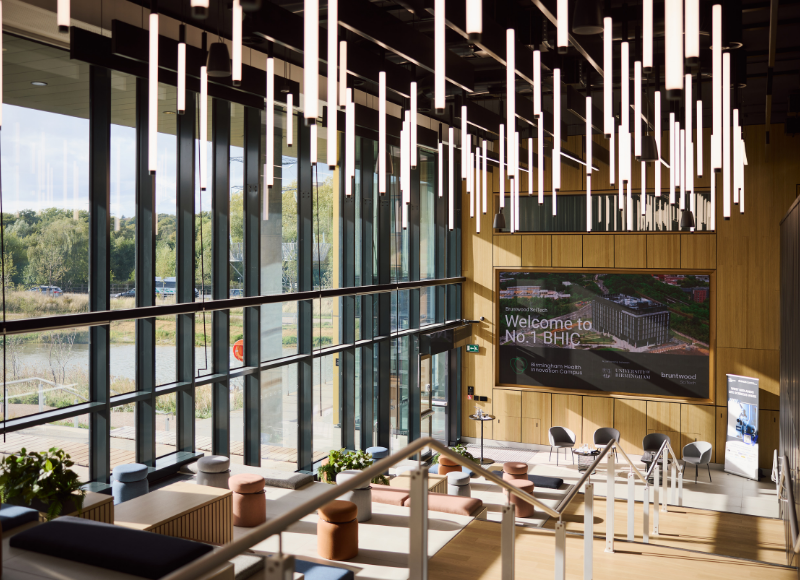
Innovation: No.1 BHIC, Birmingham

What is it? No.1 BHIC represents the first phase of a health and innovation campus near the University of Birmingham and Queen Elizabeth Hospital.

The judges said: “From the impressive double-height event space and communal café to a diverse mix of laboratory, flexible office and training environments, this project sets a new UK benchmark for integrated commercial, clinical and academic workplaces. Strong occupancy success at the time of visit reflects its market appeal. Underpinned by a robust approach to sustainability and future-proofing, No.1 BHIC combines all the key ingredients needed to create a nationally significant destination for the life sciences sector.”

AET Flexible Space, Troup Bywaters + Anders, Quantem and Overbury are proud sponsors of the BCO Midlands Awards.

Media partner: Estates Gazette.

BCO North media contact:

For more information please contact Paul King, PR director at Barques on 0121 230 2080.

The North’s most outstanding workplaces have been named, with BCO Awards presented to six landmark office buildings across the region. On Wednesday 6 May 2026 at Manchester’s Kimpton Clocktower, the BCO’s annual Northern Awards recognised projects that demonstrate best practice in office design, fit-out, operation and sustainability, setting the standard for excellence across the sector.

Adam Tillis, chair of the BCO Northern Awards 2026 judging panel and operations director at Dragonfly Contracts, said: “What struck the judging panel most this year was the outstanding quality of the projects and the rigorous consistency of thinking underpinning them. This year’s categories were exceptionally competitive, particularly among the Fit Out and Refurbished/Recycled projects. The sheer volume of submissions, coupled with a consistently high standard of excellence across the board, made the selection process more difficult than ever.

“There is a definitive, positive shift occurring within our industry. Sustainability is no longer a ‘tick-box’ exercise but a core driver of commercial success, while ‘retrofit first’ creativity is now leading the way in building reuse. With people at the heart of every design, from neuroinclusive environments to wellbeing focused hubs, the office has officially evolved into a destination where people genuinely want to spend time.”

No.1 St Michael’s, the Manchester development brought forward by Gary Neville’s Relentless, picked up two awards at the ceremony – Commercial Workplace and ESG.

Judges said the building, which is fully electric, has a BREEAM Outstanding rating and NABERS 5* design certification, had been a catalyst for regeneration in Manchester.

“By activating a long-underused site with vibrant public squares and destination F&B, No.1 St Michael’s has created a new cultural and business quarter that truly “lifts the spirits” of the city.”

Capital + Centric’s refurbishment of a 1960’s former civic centre in Wigan into 33,000 sq ft of aspirational workspace also captivated judges this year, who described the work as a masterclass in the “replicable power of conservation-led retrofit”.

The judges said: “Ultimately, Civic stands as a symbol of optimism for Wigan, proving that intelligent commercial design can catalyse economic renewal, secure a sustainable future, and truly “lift a town’s spirits” without erasing its history. It is a gold standard for the adaptive reuse of 20th-century landmarks”’

The BCO Regional Award winners in each category for the North were:

  • Projects up to 2,500 sqm: Chancery Place, Manchester
  • Refurbished/Recycled Workplace: Civic, Wigan
  • Fit out of Workplace: DLA Piper, Leeds
  • Corporate Workplace: Lloyds Banking Group, Trinity Road, Halifax
  • Commercial Workplace: 1 St Michael’s, Manchester
  • ESG: 1 St Michael’s, Manchester
  • Innovation: Renold Building, Manchester

Highly Commended workplaces were:

  • 12 Wellington Place (JLL), Leeds (Projects up to 2,500 sqm)
  • Renold Building, Manchester (Refurbished/Recycled Workplace)
  • Lloyds Banking Group, Trinity Road, Halifax (Refurbished/Recycled Workplace)
  • Hill Dickinson, No.1 St Michael’s, Manchester (Fit out of Workplace)

Alex Stork, chair of the BCO Northern committee, said: “These workspaces represent the very best of contemporary office design, demonstrating how innovation in wellbeing, sustainability and community engagement can combine to create high‑quality commercial environments and employee satisfaction.

“The North continues to deliver an outstanding breadth of office development, underpinned by strong collaboration between forward‑thinking businesses, local authorities, and highly skilled design and construction teams.”

Samantha McClary, BCO chief executive, added: “As we continue the BCO’s journey across the UK celebrating best-in-class offices, when it comes to excellence, the UK has it in spades. What is clear from all the winners so far – and especially in the North – is a commitment to delivering workspaces that don’t just deliver for the companies that occupy them, but that cater to the human beings that use them and that positively add to the communities in which they sit.”

The Northern region winners will now compete for the BCO National Awards on Tuesday 6 October 2026. More details will be announced soon.

The BCO Awards are supported by Gold sponsors, AET Flexible Space, and Troup, Bywaters + Anders. Estates Gazette is media partner.

The winners:

Projects up to 2,500 sqm

Overbury’s Manchester office at Chancery Place was hailed by the judges a standout example of how a compact 634m² floorplate can be transformed into a high-functioning, client-facing workplace.

They were particularly impressed by the “retrofit-first” strategy, which achieved a value-driven Cat B fit out, while retaining major base build infrastructure and over 60% of existing furniture. The design’s strength lies in its zoning, which successfully balances high energy collaboration areas with restorative spaces like the “quiet library,” wellness suite, and a parent/prayer room with wudu wash.

Judges noted: “Sustainability is deeply integrated rather than performative, evidenced by SKA accreditation, the use of UK sourced materials, and a commitment to future disassembly. Ultimately, the project’s success is validated by its users; with an 88% post occupancy satisfaction rate confirms that this is a workplace where people truly want to succeed. It serves as a powerful working showroom that perfectly embodies the professional standards of its occupants.”
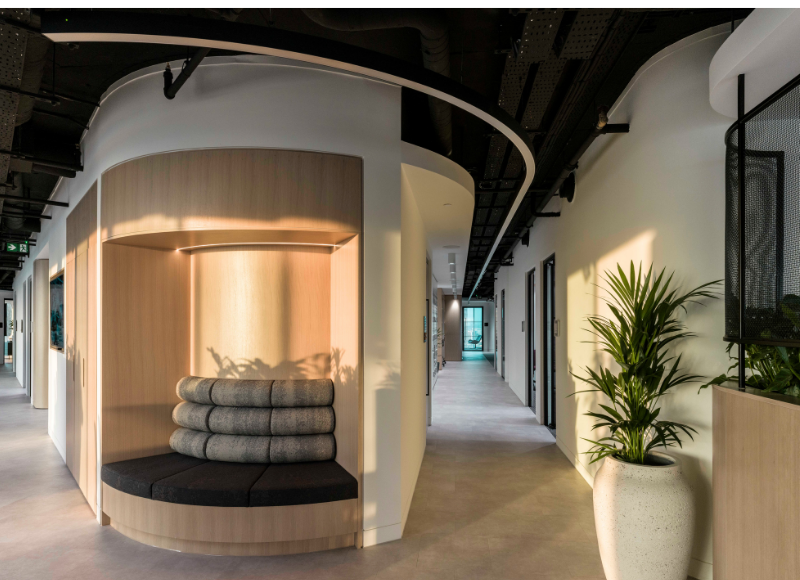
Refurbished/Recycled Workplace of the Year

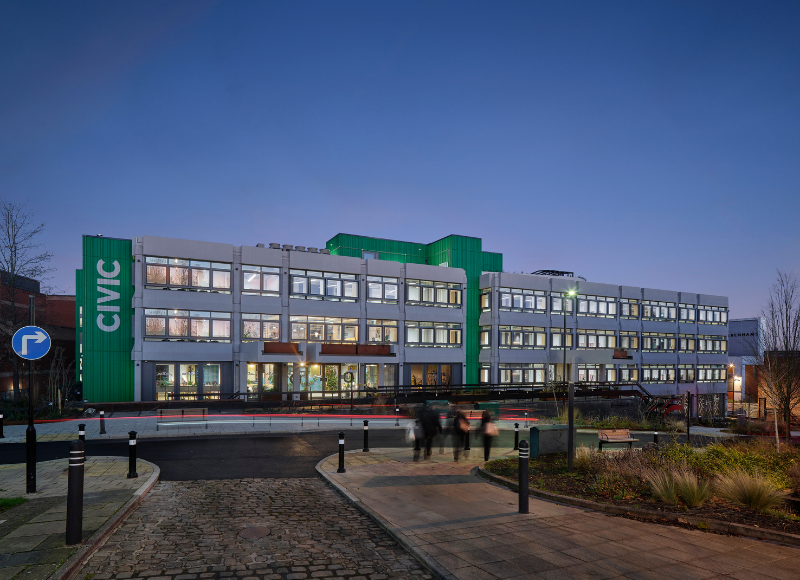
Judges were captivated by Capital+Centric’s Civic development in Wigan, describing it as a masterclass in the “replicable power of conservation led retrofit.”

By transforming a neglected 1960s Brutalist civic centre into 33,000 sq ft of aspirational workspace, they noted how the project successfully fills a major void in the town centre while celebrating its architectural heritage. 

The project’s environmental credentials are exemplary, achieving both BREEAM Excellent and an EPC A rating. Beyond technical performance, Civic acts as a vital “interface between commercial and civic life.” The inclusion of a public facing café, gym, mini cinema, and roof terrace coupled with enhanced green space reconnects the site to the community.

The judges said: “Ultimately, Civic stands as a symbol of optimism for Wigan, proving that intelligent commercial design can catalyse economic renewal, secure a sustainable future, and truly “lift a town’s spirits” without erasing its history. It is a gold standard for the adaptive reuse of 20th-century landmarks”’
Fit Out of Workplace

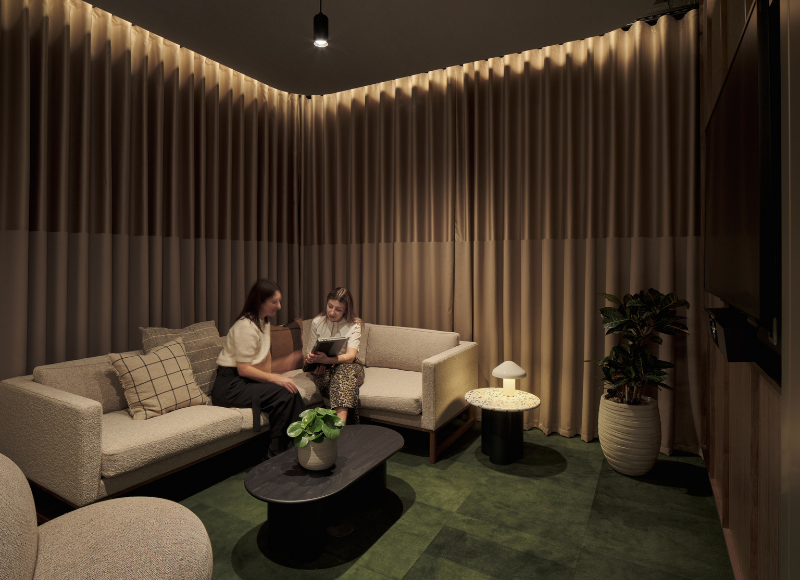
Judges were highly impressed by DLA Piper’s new Leeds headquarters at City Square House, describing it as a “physical manifesto” of the firm’s values.

By merging two offices into an 83,000 sq ft workspace, this project sets new standards for law firm design. Judges noted features such as link staircases, higher ceilings, and added bike and shower facilities developed from DLA Piper’s requirements. The “One Vision, One Space” approach creates a transparent, collaborative workplace, with spaces like the Client Suite and rooftop terrace easily shifting from business to events with city views.

The design incorporates inclusivity and neurodiversity through colour-blocked wayfinding, quiet tech-free zones, and varied sensory areas. Sustainability is addressed by using recycled suit fibres and British wool, reflecting Leeds’ heritage and achieving BREEAM Excellent certification.

Judges said: “Ultimately, the project sets a new benchmark for the sector. By balancing operational excellence with an authentic sense of place, DLA Piper has created an exceptional environment that truly “lifts the spirits” and fosters a genuine sense of pride for its people.”
Corporate Workplace

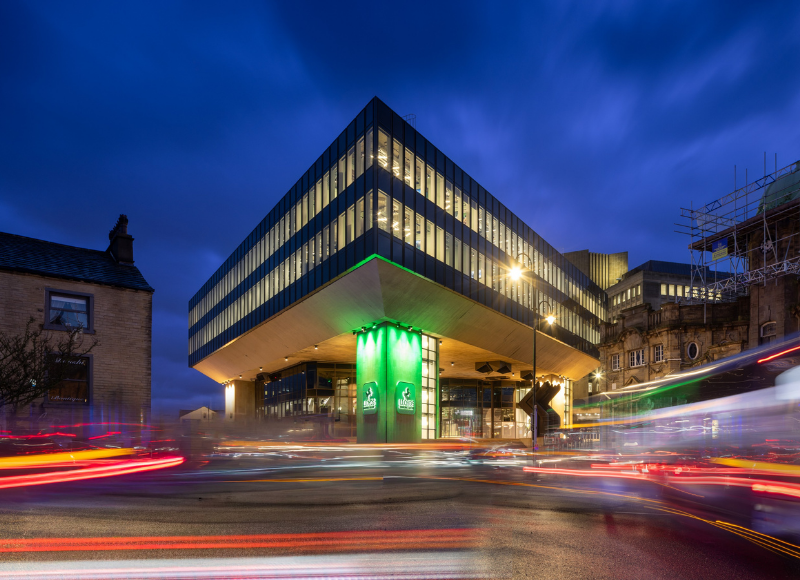
Lloyds Banking Group’s Trinity Road offices in Halifax received the Corporate Workplace award for its landmark achievement in heritage led transformation, proving that a Grade II listed, 1970s concrete frame structure can be reimagined as a high-performance, future-ready campus.

The judges were particularly impressed by the sensitive restoration of its iconic façade and the conservation of original timber paneling alongside major technical upgrades.

A “retrofit-first” strategy earned an EPC A rating by using fully recycled metal and glass for curtain walling and improving thermal stability. Replacing gas boilers with ground source heat pumps powered by renewable electricity cuts 1,300 tonnes of CO₂ annually.

Judges said: “This modernisation supports 3,500 hybrid workers through inclusive, neurodiversity friendly zones, varied collaboration settings, and premium wellbeing facilities. With 66% furniture reuse and a £20m social return on investment, Trinity Road serves as a “gold standard” for sustainable, civic-minded corporate workplaces.”
Commercial Workplace and ESG

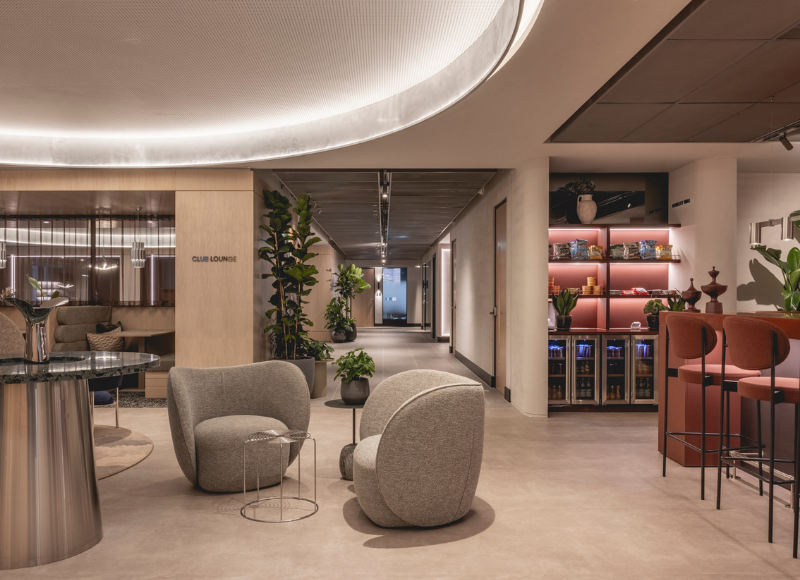
No.1 St Michael’s earned the double at the BCO Northern Awards, winning both Commercial Workplace and the ESG awards.

The judges were particularly impressed by its status as the first office building in Manchester to achieve full pre-let status prior to completion in over 15 years, praising the remarkable feat in a challenging post pandemic market.

The building is fully electric, with a BREEAM “Outstanding” rating, NABERS 5* Design Certification, and a “fabric first” strategy that achieved an upfront carbon intensity of 578 kgCO2e/m². The design combines the historic Portland stone façade with a modern structure featuring honeycomb glazing and biophilic terraces.

Judges said: “Socially, the development has been a catalyst for regeneration, generating more than £27m in local economic and social value. By activating a long-underused site with vibrant public squares and destination F&B, No.1 St Michael’s has created a new cultural and business quarter that truly “lifts the spirits” of the city.”
Innovation

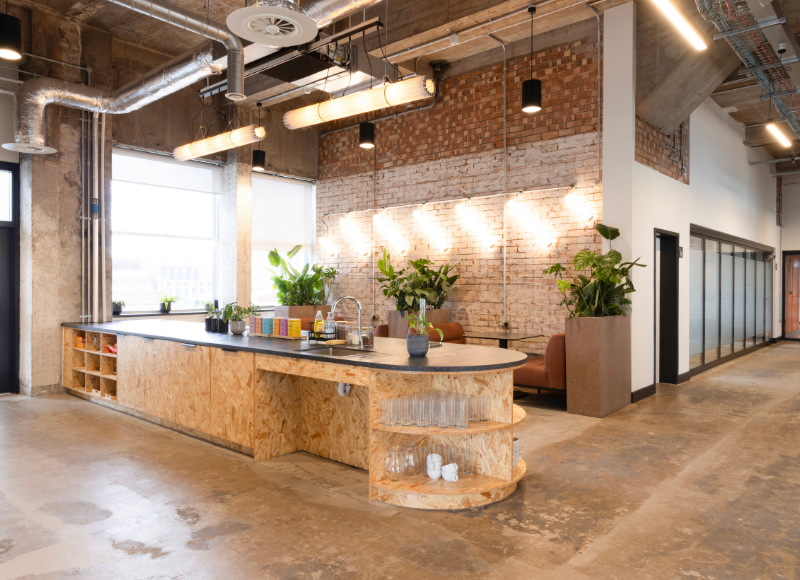
Judges described the reinvention of Manchester’s historic Renold Building as a masterclass in the circular economy and a “bold awakening” for a 1960s university landmark.

By transforming this Brutalist icon into a dynamic, multi-tenant innovation hub, the project demonstrates how neglected educational infrastructure can be repurposed to drive Manchester’s modern Sister innovation district.

The panel praised the project’s strong focus on sustainability, highlighted by a 71% reduction in embodied carbon through refurbishment, creative reuse of salvaged furniture, and recycled materials. Its “fabric-first” strategy and targeted MEP upgrades preserve architectural character while meeting modern standards.

The Renold Building is also an active community hub, featuring public amenities like a gallery with Victor Pasmore’s mural, a plant nursery, and a community kitchen. With £1.84 million in verified social value and neurodivergent-friendly, adaptable spaces, judges recognised it as a resilient, inclusive model for sustainable urban renewal.
Thanks to sponsors: AET Flexible Space and Troup Bywaters + Anders 

Media partners: Estates Gazette 

BCO North media contact:

Inform Communications

aaron.eastwood@informcomms.co.uk

T: 07791653149
Latest news

May 21, 2026
By BCO Media

Green days: Why biophilic design cannot be an afterthought

Good landscape design – in and outside of your workspace – is social infrastructure. Getting it right can support mental health, reduce stress, improve navigation, encourage civic life and unlock wider investment.
Read more
May 15, 2026
By BCO Media

Regeneration and sustainability shine at BCO South of England & South Wales Awards

From Pixel in Penzance to Arlington Square in Bracknell, workspaces across the South of England and South Wales are leading the way in design, sustainability and occupier experience.
Read more
May 08, 2026
By BCO Media

People, place and planet prosper at BCO Midlands & Central England Awards

On Friday 8 May 2026 at the Eastside Rooms, Birmingham, the BCO’s annual awards lunch celebrated five incredible workplaces, ranging from transformative refurbishments to an exemplary, double-award-winning office development.
Read more