New British Council for Offices report tells employers and office designers to treat office workers like customers that need to be acquired and retained, and to find out what they want by means including experimentation and analysing metrics
A new British Council for Offices (BCO) report says staff must be treated like customers if employers want them back in the office. This means making the office a place that gives them the experiences they want.
Towards Experience Utopia provides the ultimate guide to creating ideal working environments that blend the best aspects of remote and in-office work. Commissioned by the BCO Occupiers Group, which comprises representatives of leading employers such as NatWest, PwC, Deloitte, Hines, Goldman Sachs, Gilead, BT and Citi, the ‘state of the nation’ report sets out the latest thinking on the implications of rise of hybrid working and the profound transformation in the office sector.
Just as consumer behaviour has changed in recent years, so too have the preferences of office workers. Expectations of what the office should offer are soaring, particularly from Gen Z, who value flexibility and work-life balance highly. The absolute focus for top employers should become designing and delivering enjoyable and inspiring places to work, as they compete with the comfort of home environments.
Previous BCO reports have implored building owners to treat their occupiers as customers to support revenue, retention, and reputation. This new research emphasises that this is no longer enough; the employee has become the ultimate arbiter of value, necessitating a paradigm shift in the design and operation of office buildings.
Metrics such as occupancy rates, badge swipes, meeting room use, and employee surveys can support in making data-driven decisions, in a similar way to how brands use insights on their customers to deliver personalised experiences and identify new opportunities.
The report provides practical guidance for occupiers, investors, developers, agents, architects and designers, engineers, technology experts, and property managers through strategies and checklists, as well as best practice case studies from the likes of Legal & General and the Government Property Agency.
The report makes the following recommendations:
Develop customer experience strategies A well-researched and effectively implemented strategy that prioritises employee satisfaction and wellbeing is key to meeting the diverse needs of today’s workforce.
Think consumer first The value of offices as assets is ultimately determined by employees. Buildings that no longer attract people to the office will depreciate at speed.
Make data-driven decisions Leverage insights into space utilisation, employee preferences and operational efficiency to continuously improve property development, product, and service design.
Lead cultural transformation Invest in training to equip leaders with the skills to manage change and deliver exceptional customer experience, while promoting inclusivity and innovation.
Promote flexible leasing models As well as allowing occupiers to optimise costs and resources, ready-fitted spaces that combine lease flexibility with location, design and amenities achieve premium margins.
Innovate and learn fast Invest in research, product and service design. Experimentation will be key but prepare to fail and to share lessons learned.
Focus on operational excellence Maintain efficient, sustainable buildings and provide top-tier amenities and services to attract high quality occupiers, improve brand reputation and asset performance.
Think ‘ESG as a service’ Rather than imposing targets and time-consuming requests for data, understand occupiers’ ESG goals and find ways to collaborate on mutual ambitions.
Redesign processes How a workplace is experienced is shaped by thousands of interactions daily. Radically rethink property processes, especially those designed in another era.
Andy McBain, BCO Junior Vice President, Chair of the BCO Occupiers Group, and Head of Future of Workspace & Design at NatWest, said: “Employees must now be treated like customers, with their experience and satisfaction as the top priority if their loyalty to the office is to be earnt. Rising generations have different expectations of the workplace and combined with advancements in tech, this has brought about a tectonic shift in ways of working – and consequently how offices should be managed and serviced.”
Dr. Danielle Sanderson, Associate Professor of Real Estate at UCL and Senior Consultant at RealService, added: “For many of us, the office remains the central hub of our professional lives but today, the ability to work flexibly or remotely is not just a perk but an expectation. Hybrid working has challenged everything that we previously understood about the purpose of the office. Employers and workspace providers should be trying to ‘sell’ time in the office, gather insights into what their ‘customers’ want, and design customer journeys to deliver an excellent customer experience. Such a Customer Experience strategy offers real commercial benefits, as my research has repeatedly shown.”
This new research and the launch of the new BCO Customer Experience Award in early 2025 will foster debate about what the best practice looks like for different occupiers, drive improvements and recognise achievements in delivering brilliant customer experiences.
The British Council for Offices’ (BCO) mission is to research, develop and communicate best practice in all aspects of the office sector. It delivers this by providing a forum for the discussion and debate of relevant issues.
Established in 1990, the BCO is the UK’s leading forum for the discussion and debate of issues affecting the office sector.
Its members are all organisations involved in creating, acquiring, or occupying office space, whether architects, lawyers, surveyors, financial institutions, or public agencies. The BCO works to advance the collective understanding of its members, enabling them to work together to create more effective office space.
Today, BCO announces the results of our photography competition held during last month’s 2024 BCO Conference.
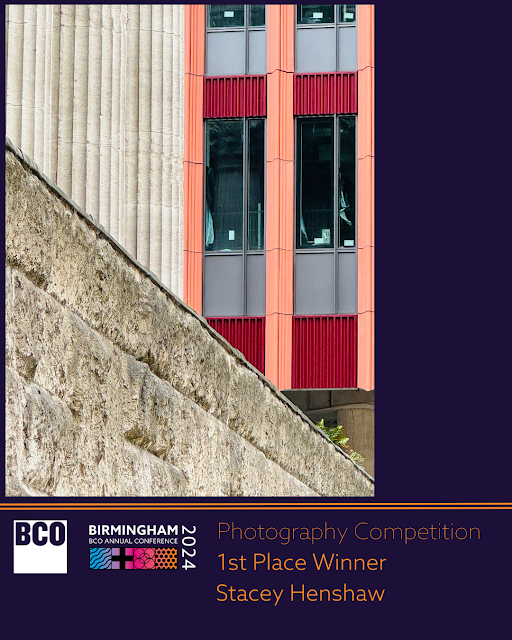
Warmest congratulations to Stacey Henshaw from Shaw Studios who won 1st Place with her photo in the City of Contrasts category: Birmingham Townhall.
The judges were unanimous in their praise for the composition of this standout photo capturing old and new in the fast-changing city of Birmingham. As the highest-scoring photo for visual impact and adherence to the theme, ‘city of contrasts,’ the judges thought that it was the most deserving winner and met the brief brilliantly by capturing three contrasting facades intersecting in one, striking shot.
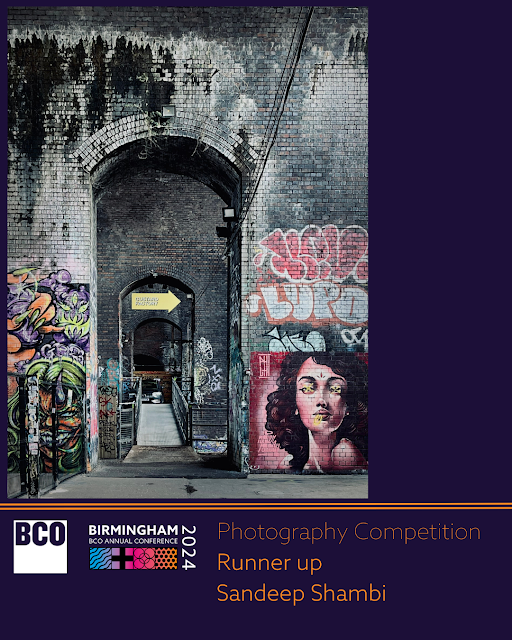
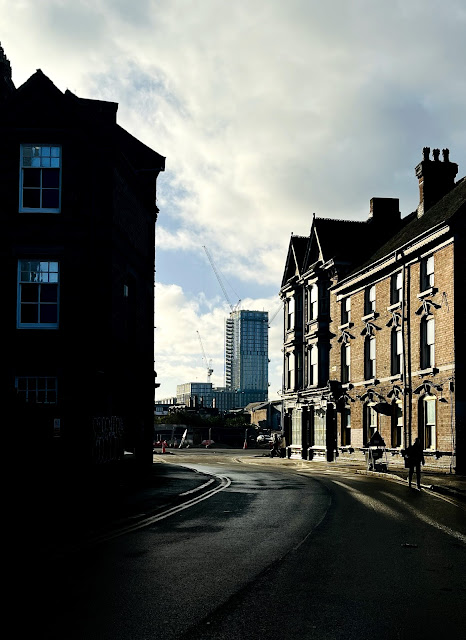
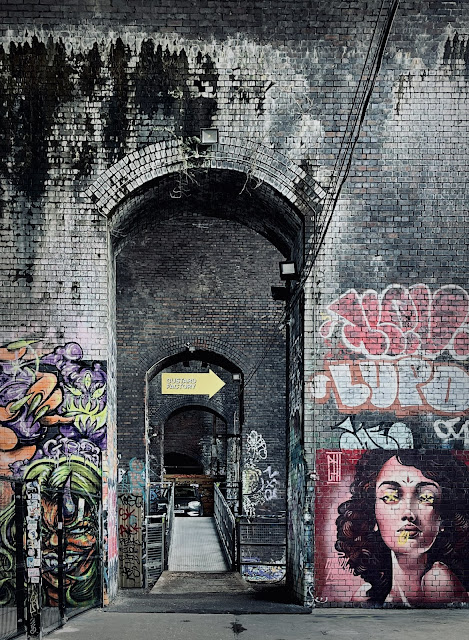
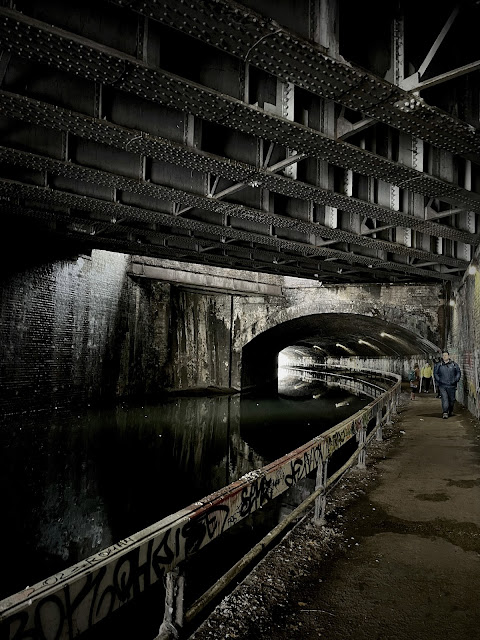
Congratulations also to the runner up, Sandeep Shambi from Howells who scored highly with his photo of Digbeth. The intricate texture of the bricks adds depth and character, creating a compelling visual narrative of vibrancy, creativity and industrial heritage landscape of Digbeth in Birmingham.
Congratulations to Stacey Henshaw, grand prize winner of £1000.
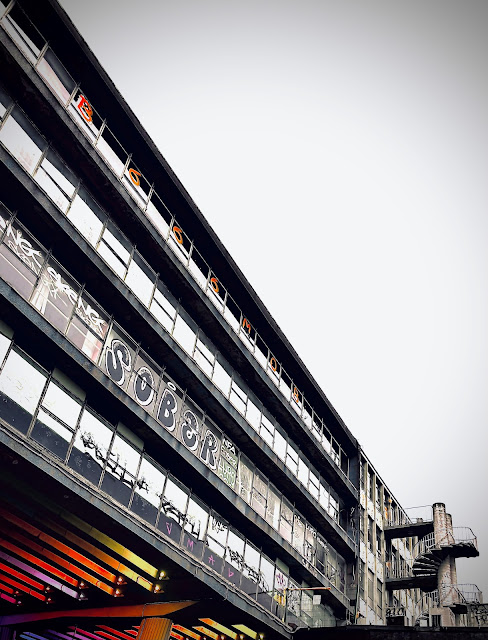
Joe Wilson’s shot of The Ringway Centre (Architect: James Roberts, 1962) was highly commended.
Judging:
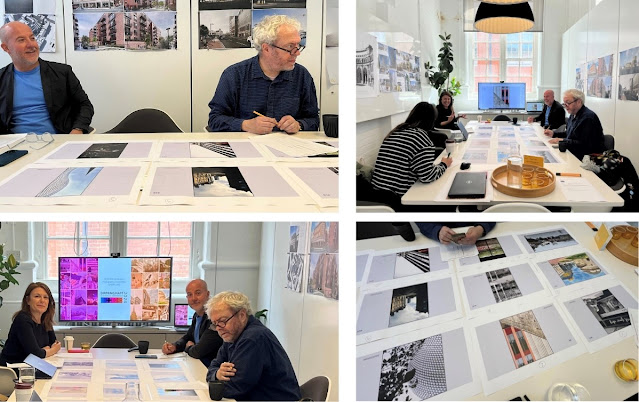
Special thanks to Mark Limbrick (Aros Architects) for hosting the session at the Aros Studios; Mark Simpson (BDP); Roxane McMeeken (ING Media); Mary Economidou (BCO) with input from Conference Chair, Peter Crowther (HERE); Dublin Top 10 contender and BCO NextGen Midlands committee member, Keely Warr (AtkinsRéalis).
Stacey Henshaw Shaw Studios City of Contrasts category Birmingham Town Hall with the new development behind – Three Chamberlain Square designed by Feilden Clegg Bradley Studios.
Sandeep Shambi Howells City of Contrasts Digbeth – Creative.
Joe Wilson BDP (Instagram entry) Interestingly, the building featured (The Ringway Centre, Architect: James Roberts, 1962) is one which is threatened for demolition – but is highly regarded by brutalist fans, and, bodies such as the 20th Century Society are campaigning to save it.
Thank you to our judges and to everyone who took took part. Recap the creativity and vibrancy of the shortlist here.
Thank you to everyone who took the time to submit an entry. This year saw some outstanding efforts aligned with the brief and the ‘Creating Vibrancy’ theme of the conference. Not only did they capture the spirit of vibrancy (a tall order in the weather we had!) but some of the entrants went above and beyond to frame ‘Community’ and the ‘City of Contrasts’ from their unique perspectives.
Judging:
Special thanks to Mark Limbrick (Aros Architects) for hosting the session at the Aros Studios; Mark Simpson (BDP); Roxane McMeeken (ING Media); Mary Economidou (BCO) with input from Conference Chair, Peter Crowther (HERE); Dublin Top 10 contender and BCO NextGen Midlands committee member, Keely Warr (AtkinsRéalis).
View the shortlist below
Borja Marcaida Sheppard Robson Submitted his entry with the title: The Wave of Change featuring the Bullring and St.Martins as subjects for his entry in the City of Contrasts category.
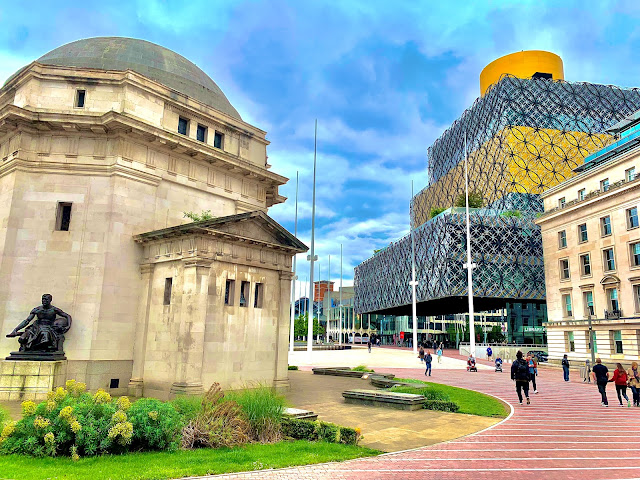
Bradley Lobetta Watkins Payne Community Birmingham Hall of Memory, war memorial with Library of Birmingham.
Daniel Morgans Chapman Taylor A quiet moment, gently framing a simple contrast of the bullring and a hint of nature nearby.
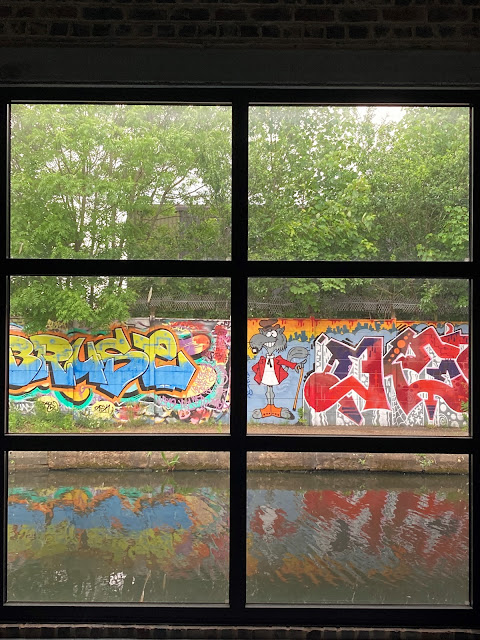
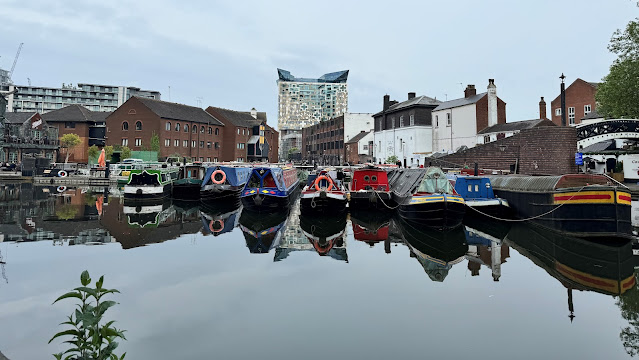
George Brennan Pick Everard (Instagram entry) taken from inside The Bond building in Digbeth looking out at the canal and beyond.
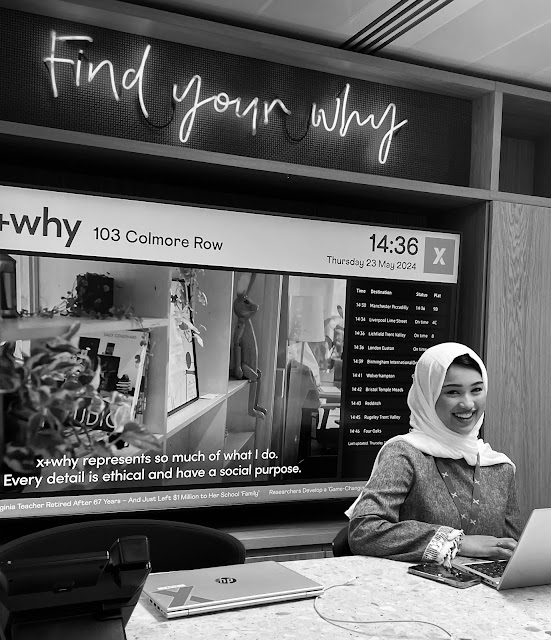
Howard Morgan Real Service Community “Reception/help desk at the X & Y Flex Space at 103 Colmore Row. Howard entered it into the Community category and said “Our business is as much about people as it is about buildings.”
Iain Powell TSA Riley Community During the conference plenary Session on AI’s impact on construction, Neuroscientist Hannah Critchlow expanded on humans’ gamma and beta brain waves. During her time living off grid in the houseboat community, she said that “Perhaps living off grid in the houseboat community enhances an ability to reflect and meditate, which paradoxically increases the speed electrical oscillations across our brain so that we can access all the different areas within our brain so that we can have joined up thinking so that we can act not just with knee jerk reactions, but we can start to access all this intelligence that lives within our brain.
Joe Wilson BDP (Instagram entry) Interestingly, the building featured (The Ringway Centre, Architect: James Roberts, 1962) is one which is threatened for demolition – but is highly regarded by brutalist fans, and, bodies such as the 20th Century Society are campaigning to save it.
Mark Leeson
McBains
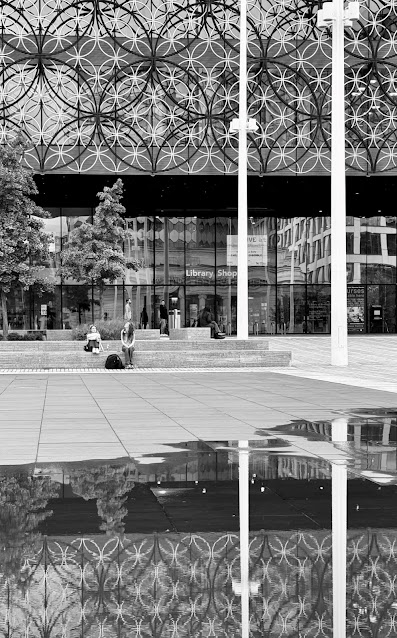
City of Contrasts
Birmingham Library. Contrasts reflecting on contrasts.
Stacey Henshaw
Shaw Studios
City of Contrasts category
Birmingham Town Hall with the new development behind – Three Chamberlain Square designed by Feilden Clegg Bradley Studios.
Sandeep Shambi
Howells City of Contrasts Digbeth, Today – Tomorrow. Three different Digbeth photos by Sandeep were chosen by the judges, first making it on to the long list and finally not one but three of his photos impressively made the cut all the way to the shortlist.
Sandeep Shambi Howells City of Contrasts Digbeth – Creative.
Sandeep Shambi Howells City of Contrasts Digbeth Industrial Heritage.
Look out for the winner announcement on Thursday, 6 June!
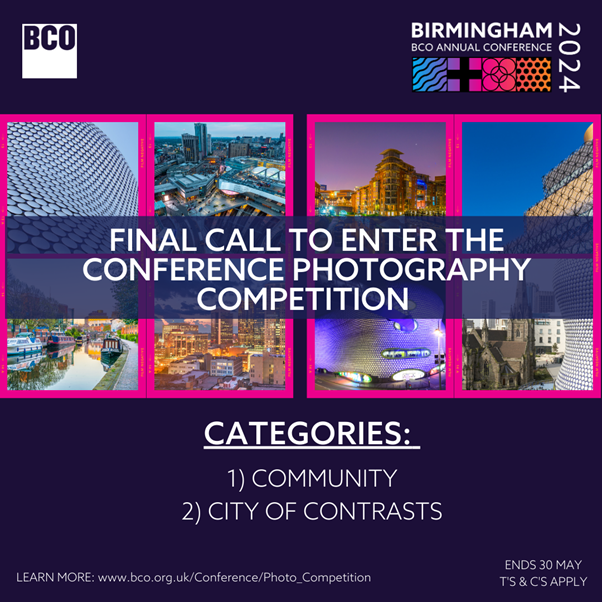
Final call for BCO Conference Photography Competition entries!
We hope you enjoyed the BCO Conference in Birmingham this year!
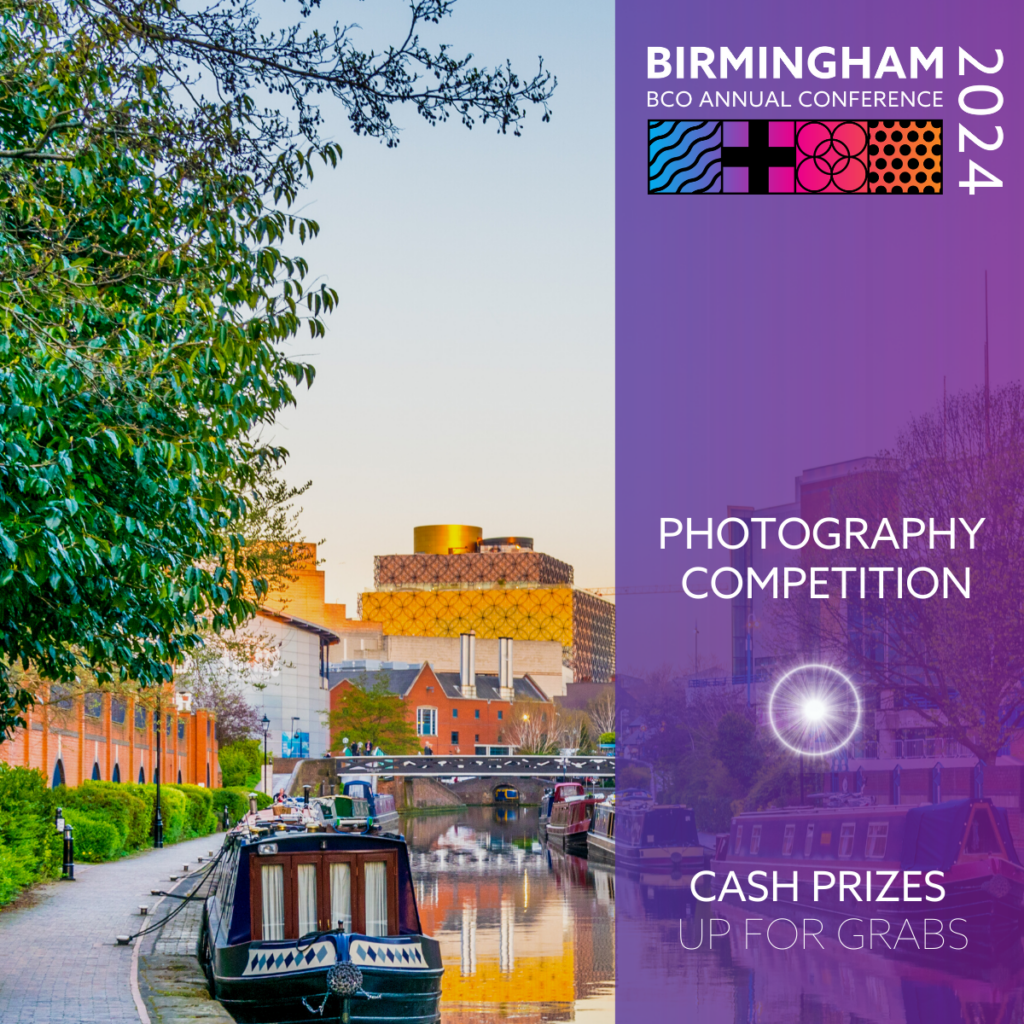
A reminder that entries for the Photography Competition close on Thursday 30 May at 5pm. This year, entrants stand a chance of winning up to £1500 in CASH PRIZES!
Did you capture photos of what Community in a city means to you? Or, perhaps you captured photos of hidden gems, architecture, urban life, vibrant arts, culture or picturesque views of this city full of contrasts? Take a chance, get creative and submit your photos and you never know – you could be following in the footsteps of the previous winner from Dublin 2023.
The competition is open to all levels. The judges will be looking out for creativity, originality, composition, and visual impact in two categories:
Category 1 – Community: Capture moments that reflect the interaction between people and their urban environment. This could include street scenes that illustrate the lively and engaged community within the city. Capture what community means to you.
Category 2 – City of Contrasts: Highlight urban planning and design elements that contribute to the city’s vibrancy and uniqueness. Explore the contrasts within Birmingham’s urban landscape. This might include photos which juxtapose old and new architecture, traditional and contemporary elements, or any other visual contrasts that contribute to the city’s unique character. For inspiration, look no further than the Amateur Photographer website or last year’s creative shortlist.
There are three different ways you can submit your photographs:
Upload to the conference app (remember to include your NAME and category in the details section. Find this at the bottom of your photo when entering on the app. Entries with no name will not be counted. Any issues, please email mail@bco.org.uk).
Post your photo on Instagram with the hashtags for your chosen category i.e #Community or #CityofContrasts. Remember to follow and tag @bco_uk on Instagram.
Alternatively, you can simply e-mail your entry to mail@bco.org.uk with your name and chosen category in the subject line.
We hope you enjoyed the BCO Conference! For more info on the competition before it closes, click here. Entries will close on Thursday 30 May at 5pm. Terms and conditions apply.
SUPPORT THIS YEAR’S CONFERENCE CHARITY
#BCOconference | #Birmingham2024
Designed by Belfast-based RPP Architects Ltd, City Quays 3 comprises 250,000 sq. ft. of highly sustainable commercial space over 16 storeys, with views to the inner harbour and city centre.
Northern Ireland’s Farrans Construction completed the BREEAM ‘Excellent’ building, which is part of the broader City Quays regeneration scheme – a £275 million, office-led project located on former docklands within Belfast city centre.
The three new City Quays buildings represent Belfast Harbour’s response to ongoing demand by inward investors and local firms for new Grade A office space in Belfast.
City Quays 3 is now home to global blue-chip businesses and local companies, which have access to collaboration and client interface spaces, plus on-floor terrace areas.
The BCO Northern Ireland Talk & Tour was hosted by Tim Boyle, Development Manager for Belfast Harbour, alongside Harry McConnell, Director of RPP Architects.
Following a welcome by Ruairi Dempsey, MEP director for HDR and BCO Northern Ireland Committee chairperson, Tim and Harry offered guests an in-depth look at the building, including its design features and sustainability credentials.
Attendees were then given guided tours of spaces occupied by two high-profile companies: global bank, Investec and life sciences company, B-Secur.
The tour showcased the fit-outs and high specification finishes that capture the corporate identity of each tenant, with guests enjoying the magnificent views of Belfast’s key landmarks both within the city and surrounding area.
Ruairi Dempsey, BCO Northern Ireland Committee chairperson, commented: “In the wake of the emergence of a functioning executive in Stormont, the commercial office market in Northern Ireland continues to develop and offer best-in-class office spaces, which can be seen in the quality of development and fit-out demonstrated in City Quays 3.
“Northern Ireland requires a nuanced and unique approach to development, and the strong leadership clearly demonstrated by Belfast Harbour, coupled with the intimate local knowledge of their team is showing others the way forward.
“Developing dynamic and resilient businesses coupled with attracting and retaining global players to our shores is a key aspiration in our development as an economy. Providing employers and organisations with high performing, low-energy and sustainable Grade A workplaces, whether through new development or retrofit of existing buildings, is a key part of this aspiration.”
Tim Boyle added: “We’d like to thank all attendees for joining us on tour of City Quays 3, a flagship development at the heart of Belfast Harbour’s regeneration into a place where global companies can call home.
“The fact that City Quays 3 is over 50% let – well above market norms – demonstrates the continued relevance of commercial space of this kind to local and FDI occupiers. We invite prospective occupiers to contact us for more information.
“Many thanks to our hosts, Investec and B-Secur, as well as Rhianna Harrup from the BCO events teams for her support in arranging the tour and on the day.”
The BCO Northern Ireland Talk & Tour event was sponsored by Belfast Harbour Commissioners and RPP Architects Ltd.
The next BCO Northern Ireland event is a NextGen quiz to be held in the Gallagher Lounge (above the Duke of York pub) in Belfast on 30 May 2024, in partnership with RICS. Although focused on bringing together the next generation of leaders, innovators, experts and industry leaders, it is open to all. The committee and local membership would very much like to welcome you there.
British Council for Offices researches, develops and communicates best practice in all aspects of the office sector. It delivers this by providing a forum for the discussion and debate of relevant issues. Membership is drawn from those who occupy office space, and those professional organisations and people who design, build, and manage office space. For more information on becoming a BCO member, visit this page.
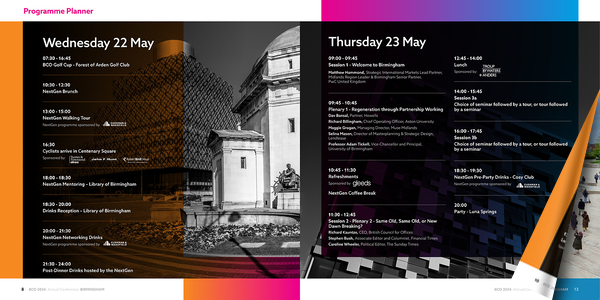
The BCO Annual Conference provides a wonderful opportunity to reconnect with your peers old and new, and expand your professional network. We have a busy three days lined up, but there will also be plenty of opportunities to socialise, relax and enjoy Birmingham.
Make sure you’ve checked off your ‘To Do’ list:
Secured your ticket.
Found somewhere to stay with our preferential room rates.
Booked your transportation (for information on greener travel choices, see page 59 of the conference brochure)
Registered for your chosen tours and seminars.
Referred to the delegate list to see who’ll be joining you.
Explored the official conference charity page.
NextGen member? Take a look at our supplementary NextGen programme.
If you have already booked your ticket, but are yet to decide on your personalised conference agenda, we encourage you to do so soon. Simply log in to the booking system and select ‘Edit Registration’.
What are you hoping to get out of the BCO Annual Conference 2024? Join the conversation online using #BCOconference #Birmingham2024
#BCOconference #Birmingham2024
In this blog, David Porter – Head of the Manchester Commercial Office for Knight Frank and Vice Chair of British Council for Offices in the North – offers the lowdown on the region’s thriving office market.
2023: a mixed bag
According to Knight Frank’s UK Cities 2024, different factors, including economic difficulties, high costs, and conflict overseas, challenged office market activity in 2023. The result was a broad decline in office take-up, with investment volumes falling below average.
However, looking at the North on a city-by-city basis, there were some significant stand-outs last year:
Despite the second half of the year showing improvement, office take-up in Manchester fell short of the 1m sq. ft. mark, finishing at 942,000 sq ft. – which is 14% below the five-year annual average. Manchester saw 221 deals completed against an average of 213; above the five-year average.
Compare this to Leeds, which experienced strong occupier demand in 2023, with the city registering the highest level of annual take-up in four years. A total of 651,461 sq. ft. was acquired, 10% above the five-year annual average and a 9% year-on-year increase. The number of deals rose slightly from the previous year: 127 completed, which was 17% above the five-year annual average.
In Sheffield, occupier activity increased in 2023, with take-up of 374,120 sq ft. – a 21% increase on the previous year that was 6% above the 10-year annual average. Despite above average levels of take-up, just 40% was for grade A space, owing to the lack of suitable space available in the city.
So, while the overall outlook for the UK in 2023 wasn’t exceptional, there was definite cause for optimism, especially in the North – a huge growth area for commercial development.
It’s now time to turn our attention to this year, and look forward to a successful year for the office market.
What’s in store for 2024?
Businesses will continue to look through a ‘green lens’ when it comes to achieving environmental goals through their investment in commercial spaces.
ESG standards, including energy-efficient upgrades and green certifications, are vital for investors, occupiers and lenders. But according to Knight Frank’s latest research, approximately 79% of office spaces in the UK fall short of an EPC B rating, requiring upgrade work to avoid depreciation or obsolescence.
Wondering where to stay? Take advantage of our special room rates
If you haven’t yet booked your accommodation, we have reserved a limited number of rooms at preferential rates. Take a look at the varied options and secure your room directly with the hotel of your choice by quoting the promotional code or using the booking link listed on our website. The availability of rooms with preferential rates will be limited from March onwards. We therefore recommend that you make your reservations at the earliest opportunity.
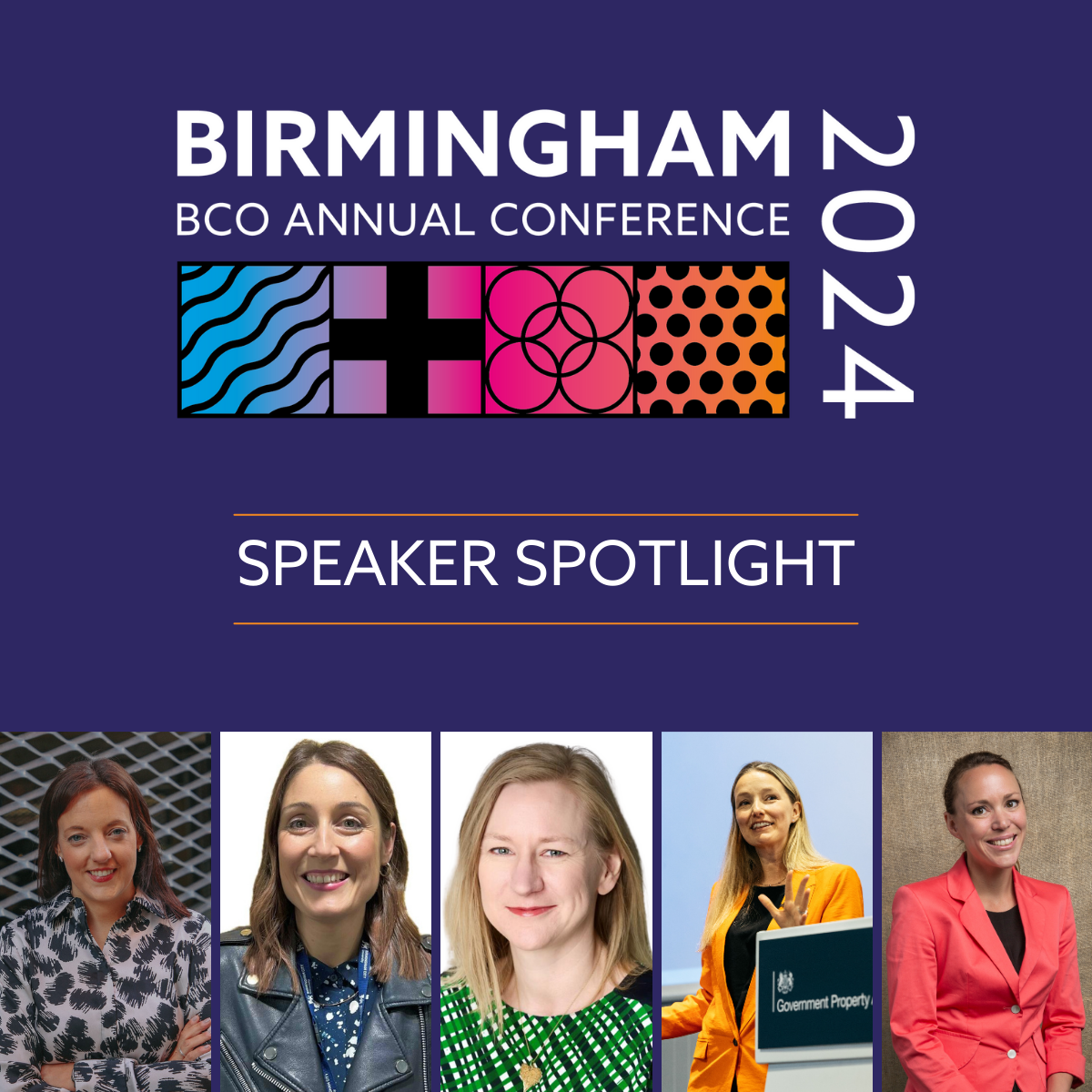
This week, we are celebrating the women in our industry as part of International Women’s Day and Women in Construction week; giving us the perfect opportunity to shine the spotlight on the outstanding women joining us in Birmingham this May.
Maggie Grogan: Maggie joined Muse in 2020 and having launched the Midlands office in 2022, Maggie secured Muse as regeneration partner for the £3.2bn Arden Cross project – one of the Midlands most important regeneration opportunities. In less than three years Maggie has risen through the ranks, blazing a trail for women in property and becoming the first female regional Managing Director at Muse, delivering the company vision to create new places across the Midlands.
Alexandra King: Alex King is lecturer on the BA Interior Architecture and Design course at Birmingham City University. She has a MA in Architecture from the University of Edinburgh, a Part II Graduate Diploma in Architecture from the University of Westminster, and is a Fellow of the HEA. Alex has worked within architectural practice and interior design across various locations including London, New York and Birmingham. The majority of her time in practice was spent working on heritage and educational projects for international practice Hawkins\Brown, and within the hospitality sector for StudioIlse.
Selina Mason: Selina Mason is an Architect and masterplanner who is responsible for delivering high quality design and masterplanning across Lendlease’s UK and Europe urban regeneration portfolio. Currently she is also Development Director on Smithfield Birmingham. Selina also has an Honorary Fellowship from RIBA and she is a Design Council Ambassador and was recently appointed by the Government to the Urban Centre Recovery Task Force.
Leah Jones: Leah has had an extensive career delivering transformational change in challenging environments. Change portfolios Leah has led have included digital, legislative and workplace transformation. Leah has been with the Government Property Agency since 2019, joining as the Programme Manager for the cross-government Smarter Working Programme and is now responsible for the Workplace Experience team, a collaborative, empowered and customer-focused team who are making a tangible difference to Civil Service ways of working.
Hannah Critchlow: Dr Hannah Critchlow is an internationally-acclaimed neuroscientist, broadcaster, author and Fellow at Magdalene College, University of Cambridge. Best known for demystifying the human brain, she has appeared on BBC, ABC and Korean TV and Radio, notably in the Great Minds Series, Tomorrow’s World Live and BBC Radio 4’s Destiny and the Brain. In 2022 Hannah received an Honorary Doctorate from Brunel University for her work in neuroscience and communication, and in 2019 was named by Nature as one of their ‘Rising Stars in Life Sciences’.
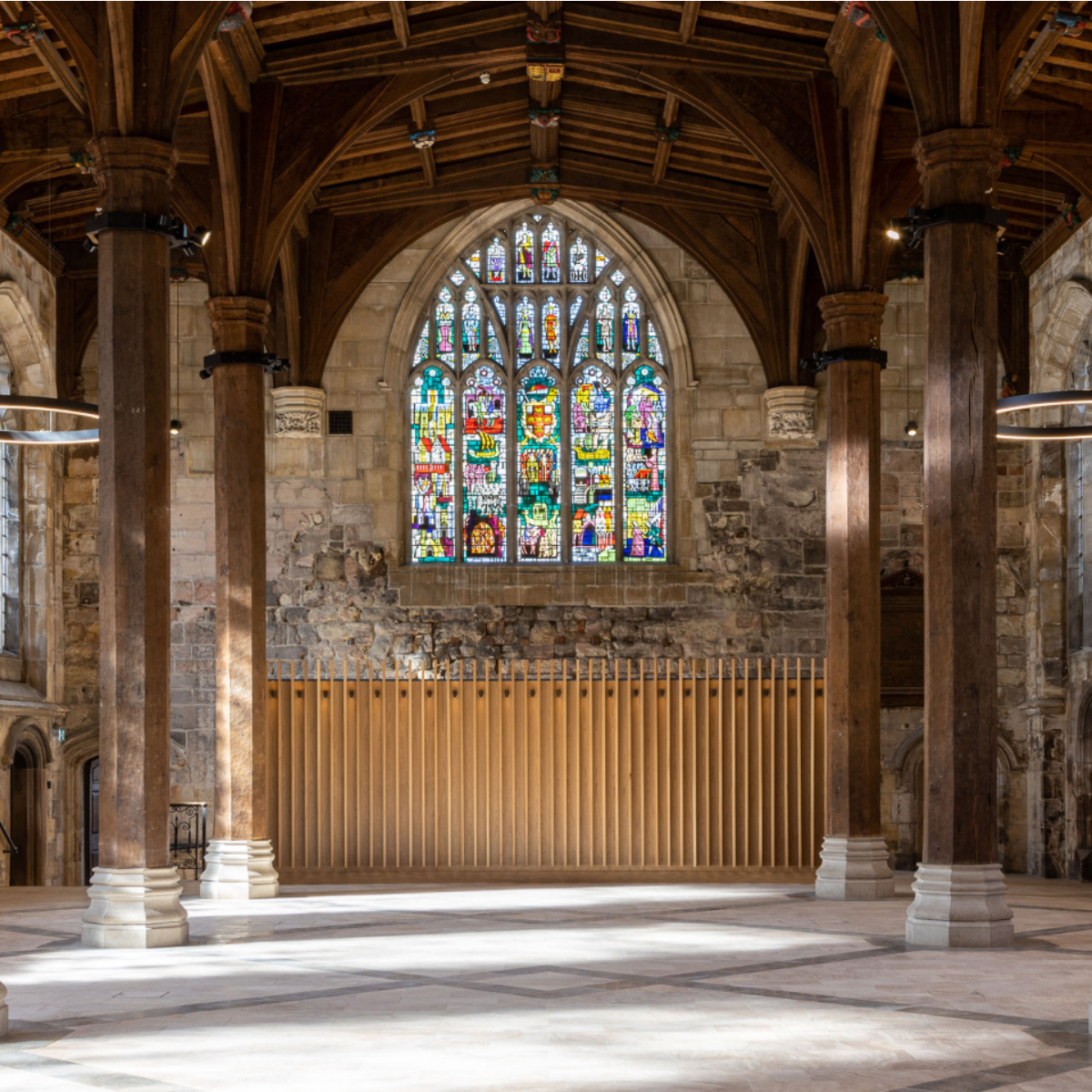
Rick Lee is the NW&Y retrofit leader for Arup, and he will be sharing his experience of delivering the challenging refurbishment of the Grade I listed York Guildhall complex. Rick will cover the history of the site, the challenges the client, consultant and contractor teams overcame to secure the next stage of this iconic building.
Rick is a structural engineer who specialises in retrofit and heritage projects and led the Arup team civil and structural team for over 7 years on the York Guildhall refurbishment.
Friday, 8 March 2024 12 pm – 3 pm The Guildhall, York
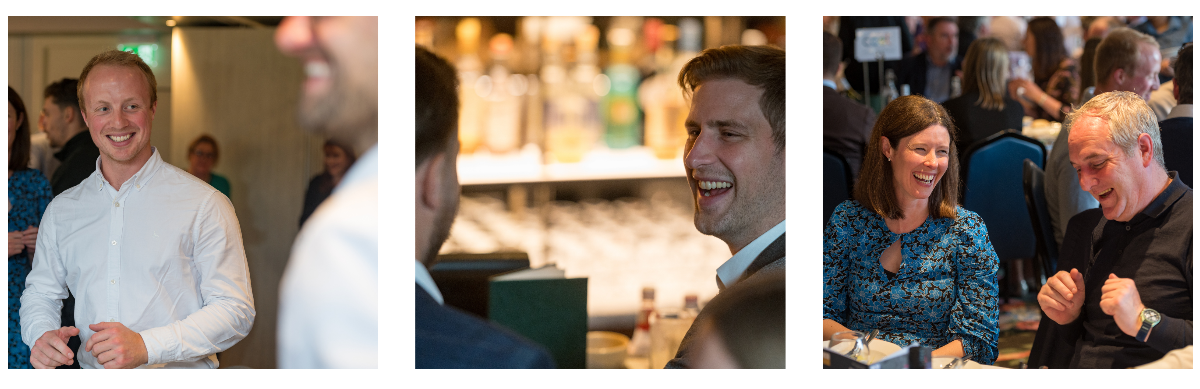
Come and enjoy the vibrant and historic atmosphere of the Guildhall whilst networking over a delicious three-course meal. This event offers attendees the opportunity to connect with industry leaders and share insights into the future of the workplace.
Tables are allocated on a first come/first served basis, so we encourage you to book early to ensure a prime position.
With thanks to our sponsors:
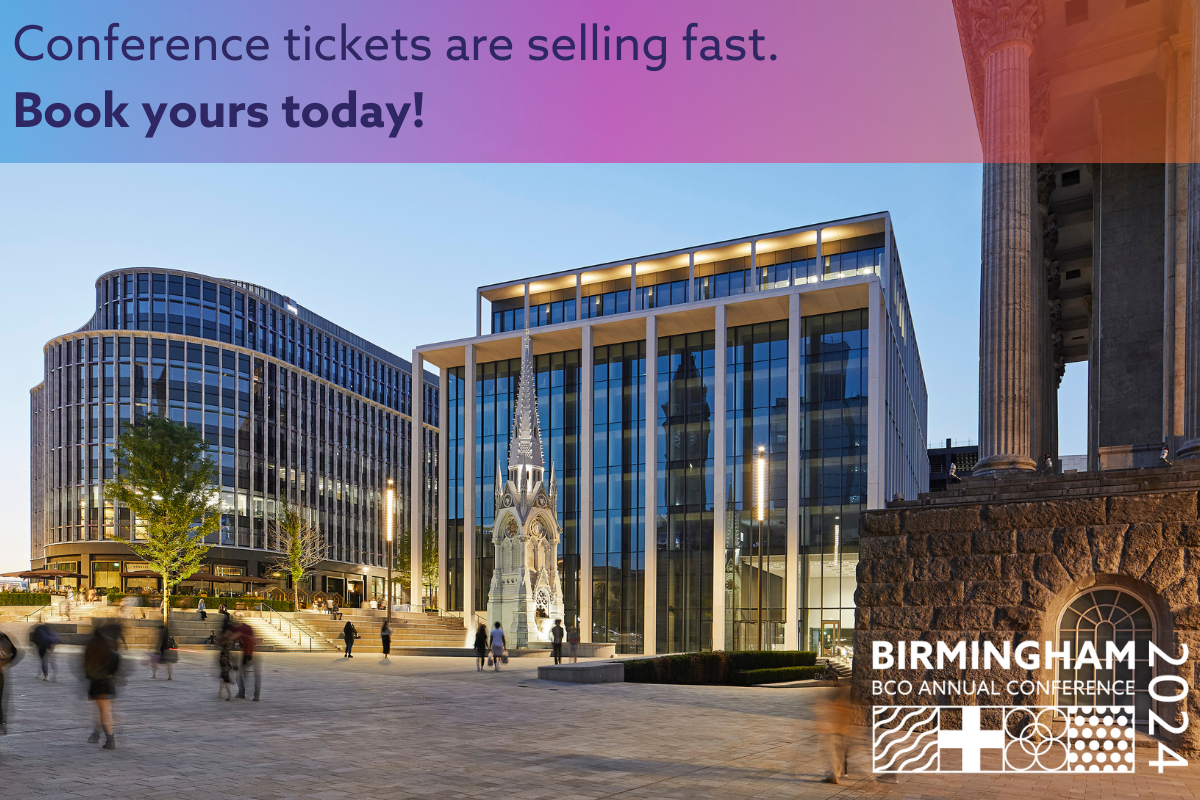
We are pleased to see that delegates have been quick to secure tickets now that bookings for the 2024 Annual Conference have opened to both BCO members and non-members. If you are planning on joining us in Bimingham this year, we strongly encourage you to book sooner rather than later.
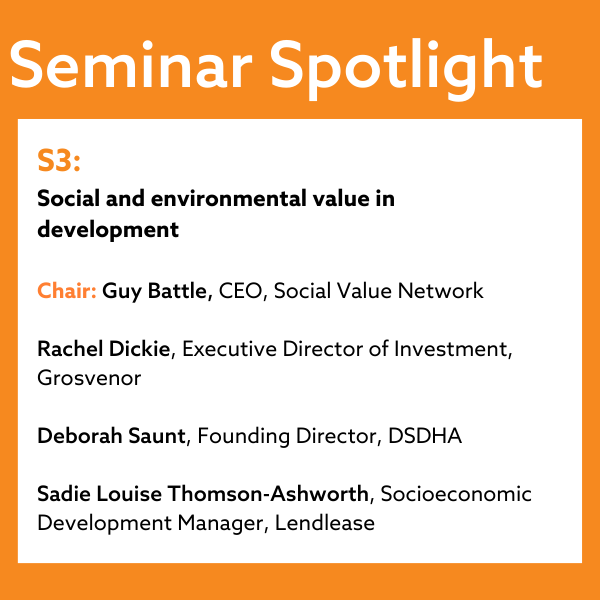
This year’s plenary sessions will hear from leading voices that will bring to light multiple perspectives and discuss the challenges and opportunities ahead. Seminars will reflect the extraordinary times in which we live and work, and will provide a forum for an intimate exploration of a variety of topics including AI and culture. Join the debate on the power of partnership in development and regeneration projects, the impact of social value on lending for developers, and what today’s life science occupier looks like. Read more.
TOURS
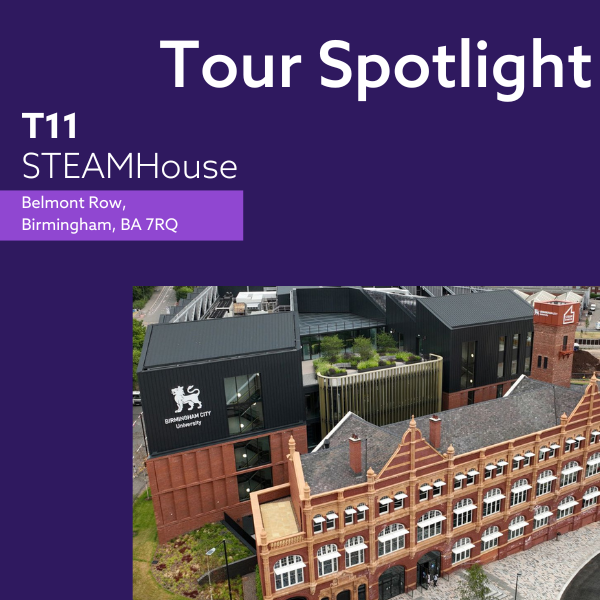
Over the past decade, this city, famously known as the ‘workshop of the world’ has lived up to its name, quietly delivering a number of sizeable new developments, including 103 Colmore Row, Enterprise Wharf, and the Paradise regeneration project. We are pleased to say the conference programme will offer opportunities to tour a number of these schemes. There are currently 14 options to choose between, from innovative buildings and offices to cultural walks – there are plenty of tours to inspire. Be sure to secure your top tour choices as soon as possible! View the full list.
GOLF CLUB
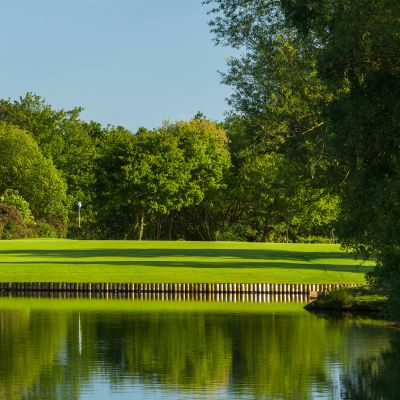
Join us on Wednesday 22 May at the Arden Golf Club to play the Arden Course. Located in the heart of the Midlands, the Forest of Arden is set in 10,000 acres of Warwickshire parkland and ancient woodland and is recognised as one of the premier golf destinations in the UK. The Arden Course, designed by Donald Steele in 1992, has played host to a succession of international tournaments, including the British Masters and the English Open. The day concludes with BBQ lunch and prize giving. Check the itinerary.
CYCLE CHALLENGE
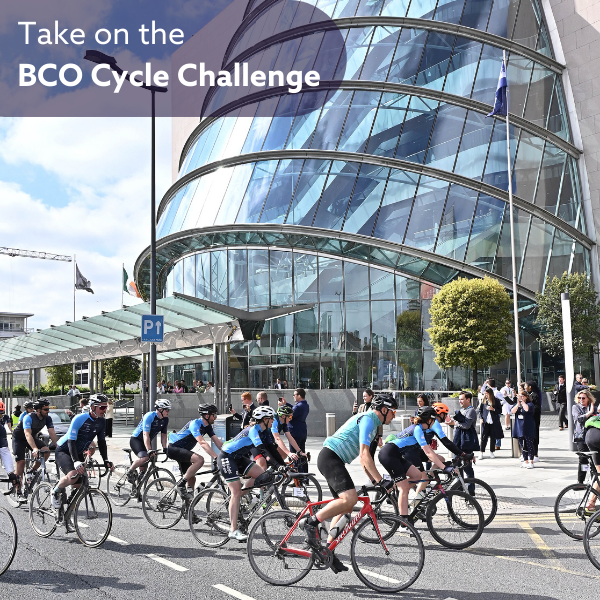
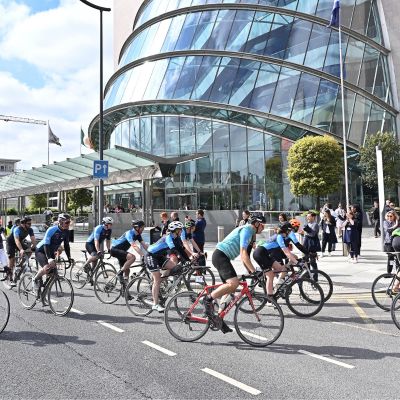
This year’s cycle challenge, in support of The Brain Tumour Charity will take place from Sunday 19 to Wednesday 22 May. The ride will depart on Monday morning from Newcastle. With distant views of the North Pennines, the ride will showcase the best the northeast has to offer before heading further south offering distant views to the Yorkshire Dales in the west and North York Moors and Howardian Hills in the east. On the final day riders will skirt the edge of the Peak District before arriving in Birmingham on Wednesday afternoon! Further details.
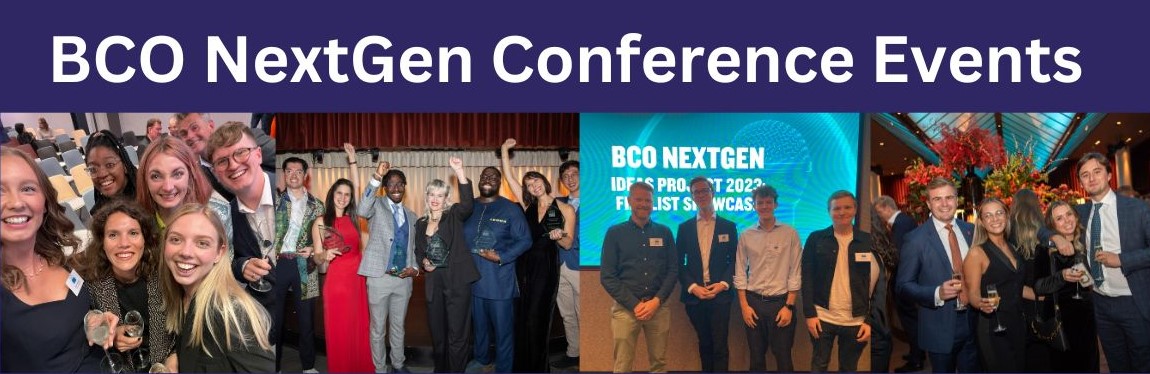
The BCO’s NextGen community is growing fast. Numbers have increased up more than a quarter over the past year to more than 1,200 members, making the NextGen contingent a third of the total BCO membership. This vibrant community will play an important role in this year’s conference. This year’s offering includes a series of events targeted at NextGen members, as well as several networking opportunities. Further details.
From promise to performance: The standards changing the way we deliver net zero buildings
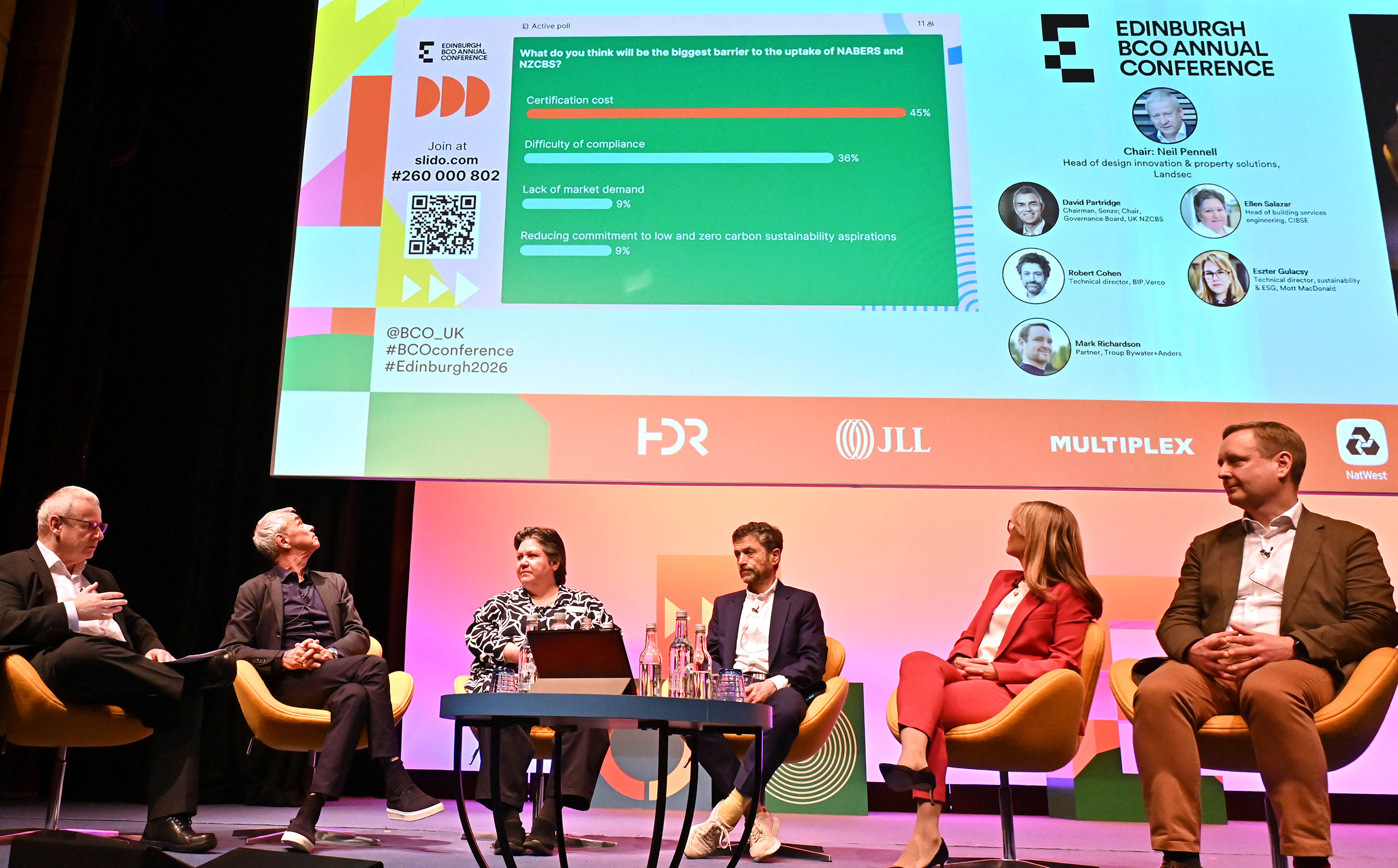
BCO Conference 2026 insights: The journey to net zero carbon buildings can be confusing, overwhelming and off-putting. The trick is knowing how cut through the noise.
Make sure you’re kept up to date on BCO news and events by signing up to event and monthly newsletter emails. Emails direct to your inbox will ensure you receive opportunities to attend our events before they sell out. You can also opt-in to receive postal mailings from the BCO, including special event booking forms












 September 21, 2026
  By BCO Media